
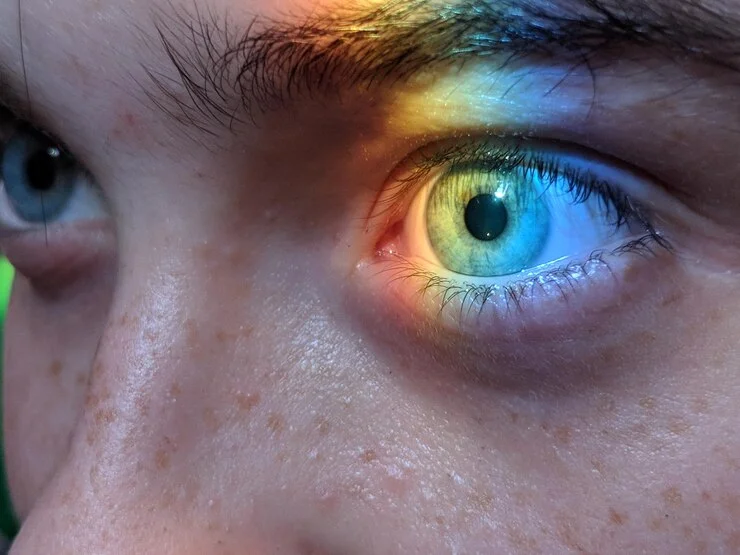
Color plays a major role in how we understand the world, from reading traffic signals to choosing clothes or recognizing warning signs. For some people, however, colors do not appear the same way they do to others. This condition is known as color blindness, and it affects millions of people worldwide. While it is often misunderstood, color blindness is not about seeing only black and white. It involves difficulty distinguishing certain colors or shades.
Understanding how color blindness works, its symptoms, and how it is diagnosed can help individuals and families recognize the condition early and adapt with confidence.
What Is Color Blindness
Many people ask, what is color blindness exactly. Color blindness is a vision condition where the eyes have trouble detecting differences between specific colors. This happens when certain color-sensing cells in the retina, called cones, do not work properly or are missing.
Color vision and color blindness are closely connected because normal color vision depends on three types of cones that detect red, green, and blue light. When one type does not function as it should, color perception changes. The most common forms of color blindness affect red and green shades, while blue-yellow color blindness is less common.
How Color Blind Vision Differs Lenses
People with color blind vision do not see the world without color. Instead, they may confuse similar shades or see colors as duller or blended together. For example, reds may appear brown or green, and blues may look gray or purple.
Color blind eyes process light differently, which can make everyday tasks more challenging. Reading color-coded charts, interpreting maps, or recognizing color-based signals may require extra effort. The experience varies widely depending on the type and severity of the condition.
Types of Color Blindness Eyes
There are several forms of color blindness, each affecting color perception differently. Red-green color blindness is the most common and is usually inherited. Blue-yellow color blindness is rarer and can develop later in life due to eye disease or aging. Complete color blindness, where a person sees no color at all, is extremely rare.
Eye color and color blindness are not directly related. Having light or dark eyes does not increase or reduce the likelihood of being color blind. The condition is more closely linked to genetics and the health of the retina and optic nerve.

What Are the Symptoms of Color Blindness
Recognizing what are the symptoms of color blindness can help with early diagnosis. Symptoms often appear in childhood but may go unnoticed for years. Common signs include difficulty telling the difference between reds and greens, trouble identifying blues and yellows, and confusion with colors that look similar to others.
A key sign of color blindness is reliance on brightness rather than color to identify objects. Children may struggle with color-based learning activities, while adults may notice challenges in work tasks or daily routines. Because symptoms are often subtle, many people are unaware they have the condition until they undergo testing.

Causes and Risk Factors
Most cases of color blindness are inherited and present from birth. It is more common in males due to genetic factors. However, color blindness can also develop later in life due to eye injuries, certain medications, or conditions such as glaucoma or macular degeneration.
Changes in color perception should never be ignored, especially if they appear suddenly. Acquired color blindness may indicate underlying eye or neurological issues that require medical attention.
Diagnosing Color Blindness
Color blindness is typically diagnosed through specialized vision tests. These tests evaluate how well the eyes can distinguish between different colors and patterns. Early testing is especially important for children, as it can help guide learning strategies and prevent frustration in school.
Routine eye exams can detect color vision issues and determine whether they are congenital or acquired. While color blindness cannot usually be cured, understanding the condition allows individuals to adapt effectively.

Living With Color Blindness
Living with color blindness often means learning practical ways to manage daily challenges. Technology has made this easier, with apps and tools that help identify colors. Some people benefit from specially designed lenses that enhance contrast, although these do not restore normal color vision.
Education and awareness play a major role. When teachers, employers, and family members understand color blindness, accommodations can be made to improve accessibility and confidence.
When to See an Eye Care Professional
If you or your child struggles with color recognition or notices changes in color perception, it is important to schedule an eye exam. Early evaluation helps rule out serious eye conditions and provides clarity about the type of color blindness present.
Even if color blindness does not interfere significantly with daily life, routine eye care ensures overall eye health and monitors changes over time.
Final Thoughts
Color blindness is more common than many people realize, and it comes in many forms. From mild color confusion to more noticeable vision differences, the condition affects individuals in unique ways. By understanding color vision and color blindness, recognizing symptoms, and seeking proper eye care, people with color blind eyes can navigate the world with greater ease and confidence.
Awareness is the first step. With the right knowledge and support, color blindness does not have to limit potential or quality of life.
Check out more blogs at Elite eye care.