
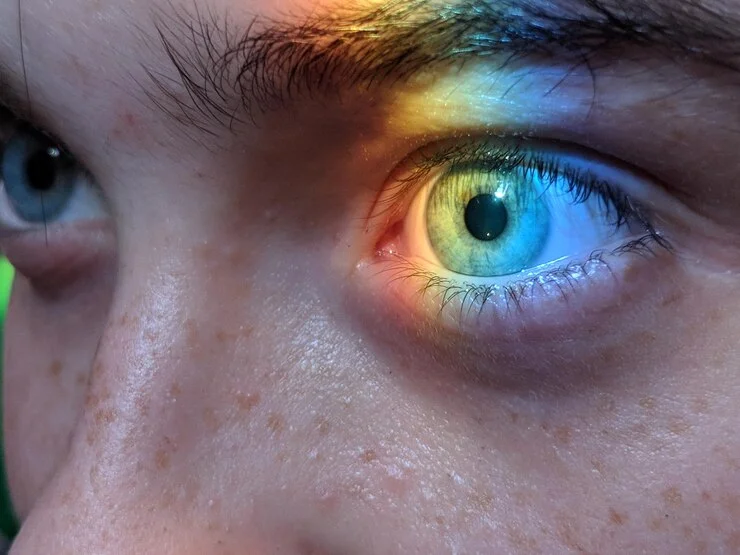
Eye protection becomes especially important during winter, yet it is often overlooked when parents think about seasonal health. While we focus on warm clothes and immunity, children’s eyes quietly face cold winds, dry indoor air, and increased screen time. Winter conditions can irritate young eyes and trigger discomfort that affects learning, play, and overall well-being.
Understanding how winter impacts children’s vision is the first step toward keeping their eyes healthy all season long.

Why Winter Is Tough on Children’s Eyes
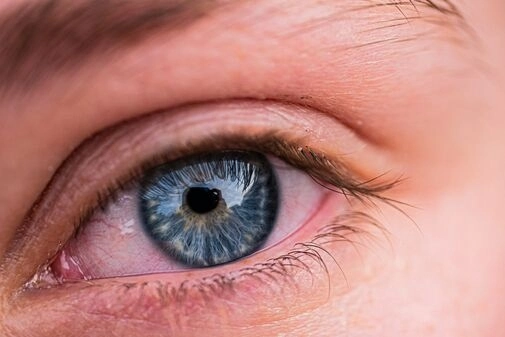
Cold weather brings more than low temperatures. Dry air outdoors and heated indoor environments reduce moisture in the eyes, leading to irritation and redness. Many children experience itchy eyes in winter because their tear film evaporates faster, leaving the eyes dry and sensitive. Wind exposure can also cause watery eyes in cold weather, which is the eye’s natural response to irritation rather than a sign of healthy moisture.
Children are especially vulnerable because they spend time outdoors during recess and sports, then move indoors where heaters dry the air even further. Their eyes are still developing, which makes consistent eye protection and proper winter eye care essential.
Common Winter Eye Problems in Kids
During winter, children may experience a range of eye-related issues that often go unnoticed at first. Some of the most common problems include:
- Dryness and burning sensations due to reduced tear moisture
- Red or irritated eyes after outdoor exposure
- Increased blinking or frequent eye rubbing
- eyes in cold weather caused by wind irritation
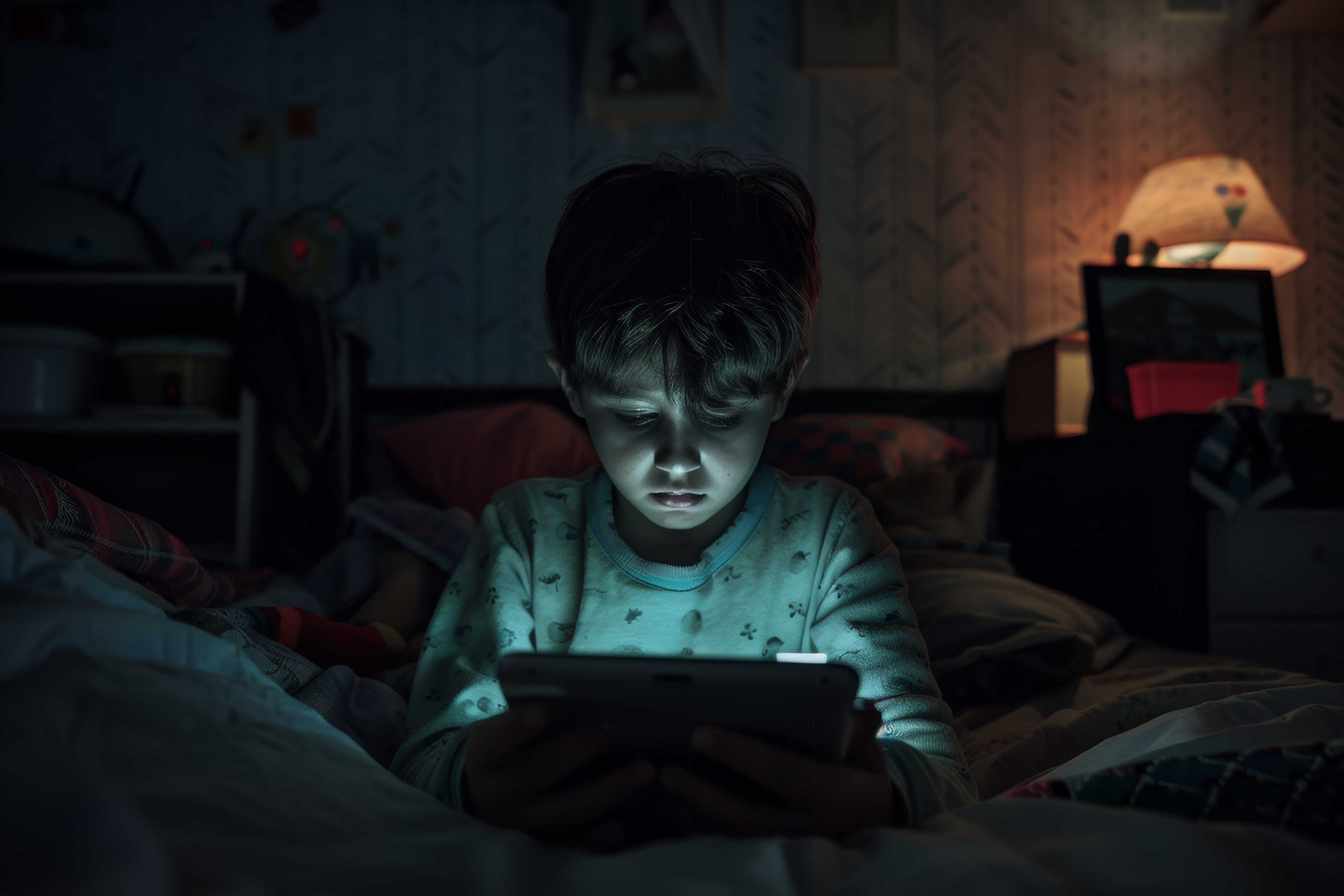
- Eye strain from increased indoor screen time
These symptoms are usually mild at the start but can worsen without proper eye protection and timely care.
How Eye Protection Helps During Winter
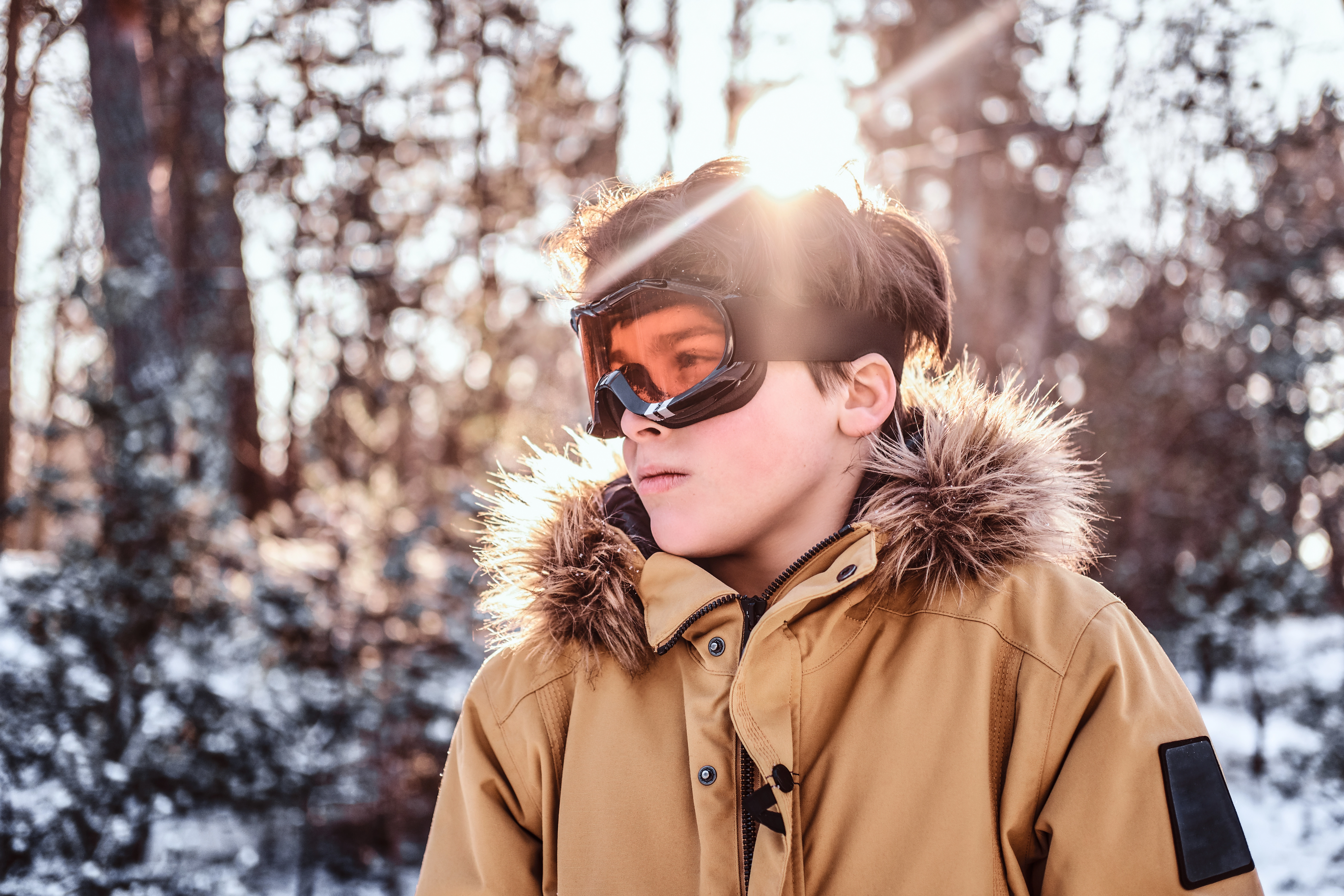
Eye protection is not just about safety goggles or sunglasses. It includes shielding the eyes from harsh winds, maintaining moisture, and preventing strain. Wearing winter eye protection, such as wraparound glasses or protective eyewear during outdoor activities, can reduce exposure to cold air and wind. For children who play sports or enjoy winter activities, protective eyewear helps keep debris, wind, and cold from irritating their eyes.
Indoors, using humidifiers helps maintain air moisture, reduce dryness, and irritation. Encouraging frequent blinking during screen use also supports natural lubrication and minimizes discomfort.
Winter Eye Care Habits Parents Should Encourage
Creating simple daily habits can significantly improve children’s comfort and eye health during winter. Parents should focus on:
- Encouraging regular breaks from screens to reduce eye strain
- Keeping children well hydrated to support natural tear production
- Using humidifiers indoors to combat dry air from heating systems
- Ensuring good lighting for reading and homework
- Teaching children to avoid rubbing itchy or irritated eyes
These eye care tips help maintain moisture, reduce irritation, and support healthy vision throughout the winter season.
Pediatric Eye Care and Seasonal Checkups
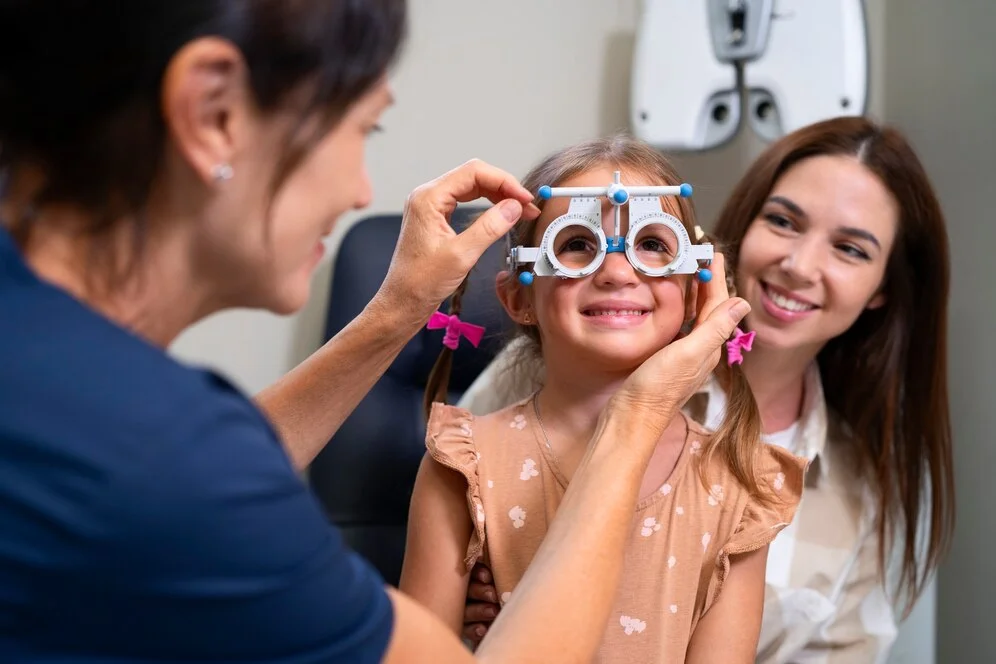
Winter is an excellent time to schedule a pediatric eye exam, especially if a child shows signs of discomfort or vision changes. A comprehensive pediatric eye care visit can identify dryness, irritation, or early vision issues before they interfere with school performance or daily activities.
Regular eye exams help detect subtle problems that children may not express clearly. A pediatric eye exam also allows eye care professionals to recommend personalized winter eye care strategies, including protective eyewear or treatment options if dryness becomes persistent.
Managing Itchy and Watery Eyes in Winter
Itchy eyes in winter often result from dryness rather than allergies. Artificial tears recommended by an eye care professional can help restore moisture and relieve irritation. For watery eyes in cold weather, protecting the eyes from wind exposure is key. Simple changes like wearing hats with brims or protective eyewear outdoors can significantly reduce tearing.
Parents should avoid using over-the-counter drops without guidance, especially for children. Professional advice ensures safe and effective solutions that support long-term eye protection.
Teaching Kids the Importance of Eye Protection
Children are more likely to follow healthy habits when they understand why they matter. Teaching kids that eye protection helps them see clearly, feel comfortable, and enjoy activities without irritation builds awareness early. Making protective eyewear fun or stylish encourages consistent use, especially during outdoor play.
When children see eye care as part of their routine, winter eye protection becomes second nature rather than a chore.
Long-Term Benefits of Winter Eye Protection
Protecting children’s eyes during winter does more than prevent seasonal irritation. It supports healthy vision development and reduces the risk of chronic dryness or strain later in life. Consistent winter eye care builds a foundation for lifelong eye health, helping children maintain comfort and clarity throughout changing seasons.
Eye protection is an investment in your child’s well-being. By addressing winter-specific challenges and prioritizing pediatric eye care, parents can ensure their children enjoy winter without unnecessary eye discomfort.
Final Thoughts
Winter can be hard on children’s eyes, but with the right approach, it does not have to be. Simple habits, proper winter eye protection, and timely pediatric eye exams go a long way in preventing irritation and discomfort. By focusing on eye protection now, parents can help their children stay comfortable, confident, and visually healthy throughout the colder months and beyond.