

Pink eye is common in New York City, especially during seasonal changes when schools and daycare centers are busy. It spreads easily among children because of close contact, shared surfaces, and frequent hand-to-eye contact. For parents, understanding pink eye early can help prevent discomfort and reduce the risk of spreading it to others.
During peak seasons, pediatric visits for it increase across NYC. Knowing the signs and acting quickly makes a big difference in protecting your child’s vision and comfort.

What Is Pink Eye?
Conjunctivitis is an inflammation of the thin layer that covers the white part of the eye. When this layer becomes irritated or infected, the eye appears red or pink. It can affect one or both eyes and may develop suddenly.
There are three main types:
- Viral
- Bacterial
- Allergic
Each type has different causes, but all forms of pink eye can make children uncomfortable and sensitive to light.
Common Symptoms Parents Should Watch For
The most obvious sign is redness. However, several other symptoms may appear, including:
- Itching
- Burning
- Swelling of eyelids
- Watery discharge
- Crusting around the lashes
Watery discharge is especially common in viral pink eye. You may notice tears running down your child’s face even when they are not crying. In bacterial cases, the discharge may be thicker.
Allergic conjunctivitis, another common cause, often appears during allergy season. Allergic conjunctivitis usually affects both eyes and is linked to pollen or environmental triggers.
Recognizing these differences helps parents respond appropriately.
How It Spreads in NYC
It spreads quickly in group settings. Children touch shared toys, desks, and screens, then rub their eyes. This makes viral and bacterial eye infections highly contagious.
Teaching children proper handwashing reduces the spread. Remind them not to share towels, pillows, or eye drops. If your child has pink eye, keeping them home from school for the recommended period can prevent outbreaks.
Allergic conjunctivitis, however, is not contagious. It develops from allergens rather than infection. Even though allergic conjunctivitis does not spread, it still causes redness and watery discharge that may look similar to infectious pink eye.
Pink Eye vs Allergic Conjunctivitis
Parents often confuse it with allergic conjunctivitis. Both conditions cause red, irritated eyes. However, there are differences.
It’s caused by infection and may begin in one eye and spread to the other. It may include noticeable watery discharge or thicker fluid. Children might also feel mild discomfort.
Allergic conjunctivitis usually affects both eyes at the same time. It often includes itching as the main symptom. Watery discharge is common, but it is usually clear. Seasonal allergies in NYC can increase cases of allergic conjunctivitis during spring and fall.
If symptoms appear along with sneezing or nasal congestion, allergic conjunctivitis may be the cause.
When to See a Doctor
Medical care is important if
- Redness worsens
- Pain develops
- Vision becomes blurry
- Watery discharge continues for several days
- Symptoms do not improve
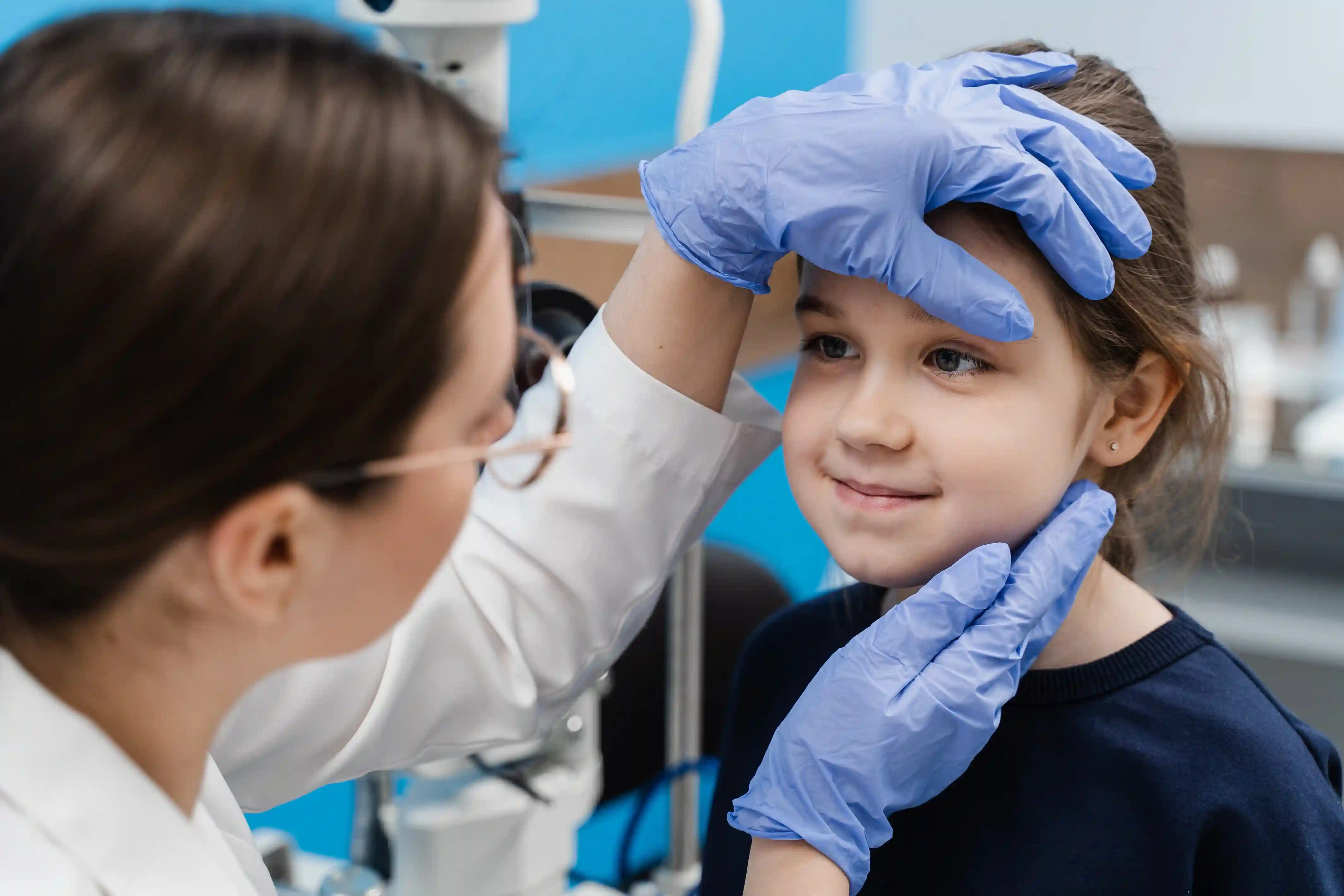
A professional exam helps determine whether it is viral, bacterial, or allergic conjunctivitis. Treatment depends on the cause.
Bacterial pink eye may require prescription antibiotic drops. Viral pink eye usually resolves on its own with supportive care. Allergic conjunctivitis may require allergy management and medicated drops.
Caring for Your Child at Home
Gentle tips and care reduce the discomfort:
- Clean eyelids with a soft, damp cloth
- Wash hands frequently
- Avoid touching or rubbing the eyes
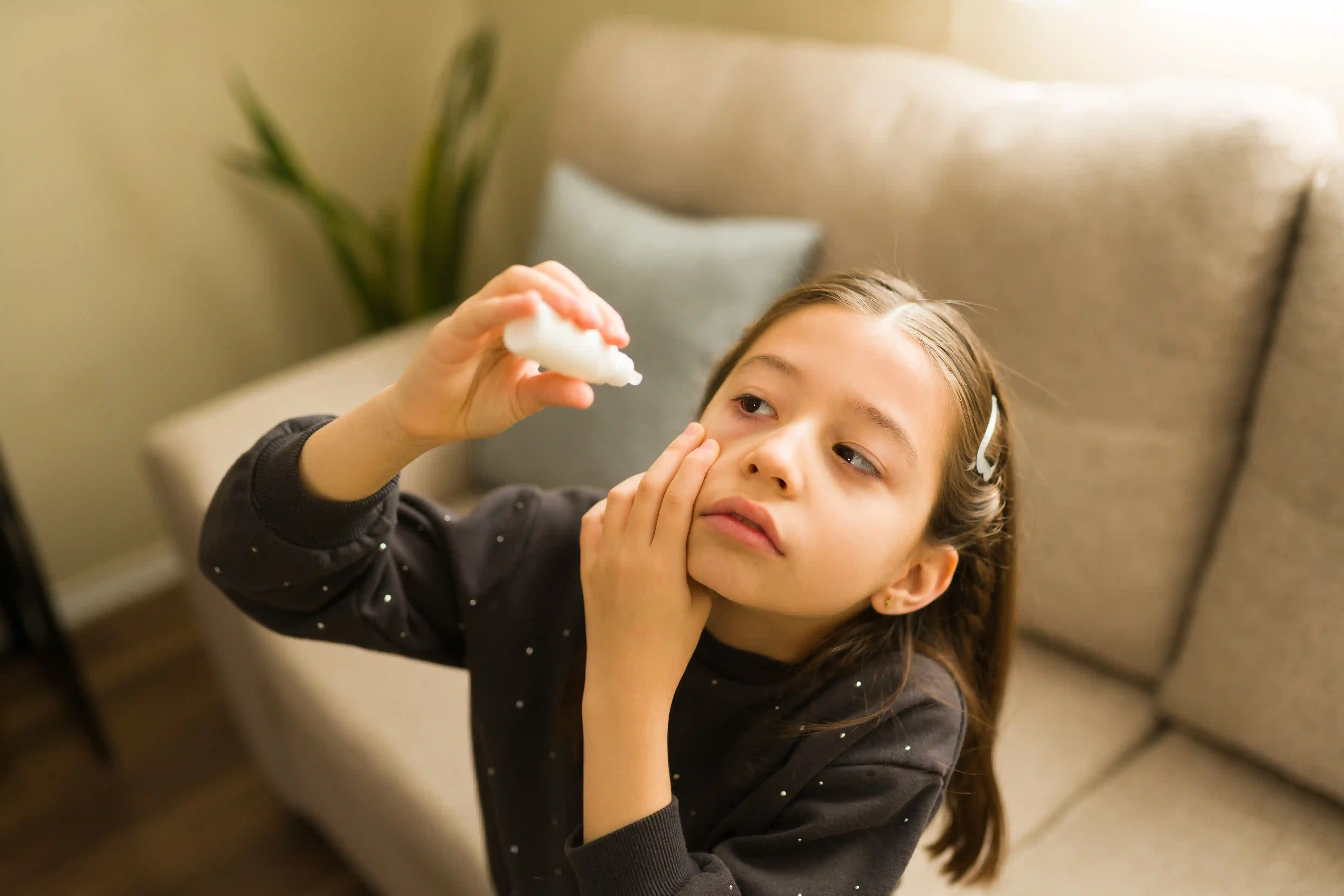
- Use prescribed eye drops exactly as directed
For allergic conjunctivitis, limiting exposure to allergens can reduce symptoms. Keep windows closed on high pollen days and wash bedding regularly.
Managing watery discharge includes gently wiping away tears and keeping the eye area clean.
Protecting Children’s Eye Health Year Round
Pink eye is common, but prevention steps protect your child’s eye health throughout the year. Teach children not to rub their eyes and to wash hands regularly. Replace eye makeup or personal items that may carry bacteria.
If your child wears contact lenses, stop using them during pink eye episodes. Resume use only after a doctor confirms the infection has cleared.
Regular eye exams also help monitor overall eye health and identify concerns early.
Final Thoughts
Pink eye season in NYC can be stressful for parents, but early recognition and proper care make management easier. Whether caused by infection or allergic conjunctivitis, prompt attention reduces discomfort and limits spread.
If you notice redness, watery discharge, or persistent irritation, schedule an eye exam. With timely care, it can be treated effectively, helping your child return to school and daily activities comfortably.