
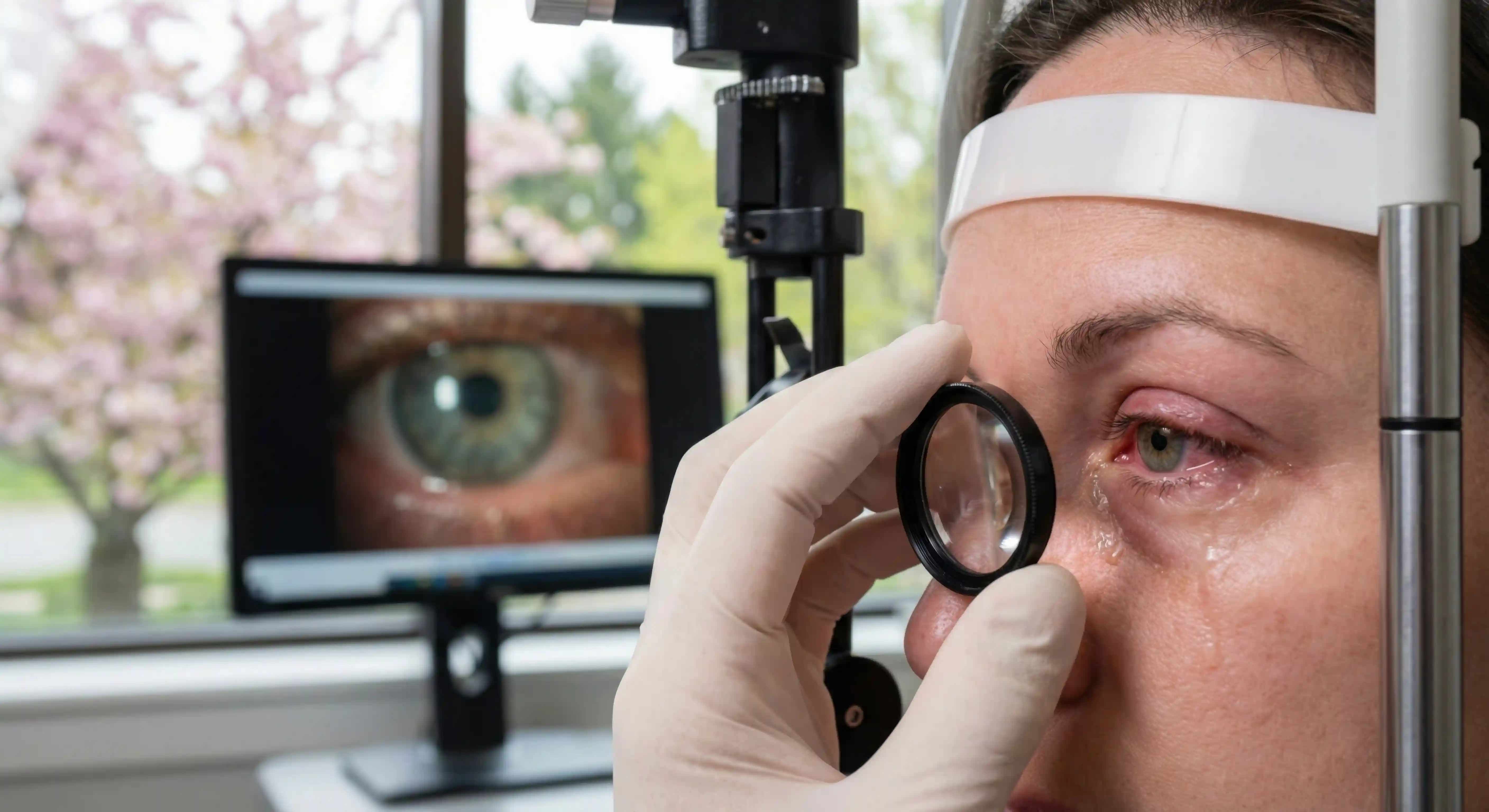
Pollen eye allergy, or pollen eyes, is a common problem in New York City every March. As trees begin to bloom, pollen levels rise quickly across parks, sidewalks, and neighborhoods. Pollen eye allergy may be the cause of your recent itchy, red, or irritated eyes. You can also call it pollen eyes.
Many residents experience stronger allergy symptoms in early spring. With changing weather and rising pollen counts, pollen eye allergy becomes one of the leading causes of seasonal eye discomfort.
Why Tree Pollen Is So High in March
Why does pollen make my eyes itch? March marks the start of tree pollination season in NYC. Trees release tiny pollen particles into the air to reproduce. These particles are light and travel easily through wind. In a busy city environment, pollen mixes with dust and pollution, increasing irritation.
For people sensitive to allergens, even small amounts of pollen can trigger pollen eye allergy. The eyes react quickly because they are directly exposed to the air. Unlike other parts of the body, they have little protection against airborne irritants. Many patients often ask, "Can pollen affect your eyes?" and the answer is yes, pollen can directly irritate the eye’s surface and trigger inflammation associated with pollen eye allergy.
This is why many people notice allergies, NYC residents commonly report, during early spring.
Common Symptoms of Pollen Eye Allergy
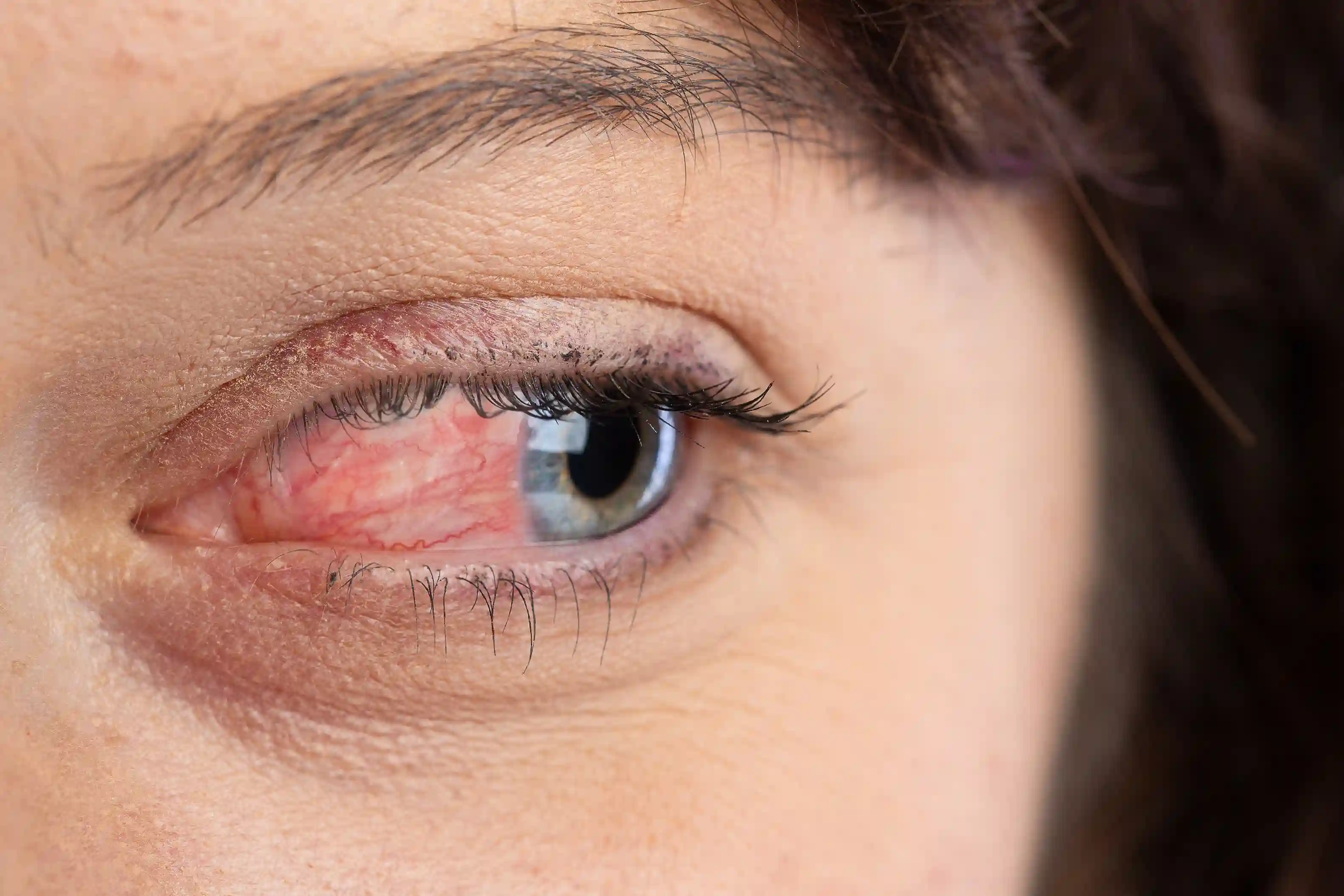
The most noticeable symptom of pollen eye allergy is itching. You may feel a strong urge to rub your eyes, especially after being outdoors. However, rubbing actually can make the irritation worse.
Other common symptoms include:
- Redness
- Swelling of eyelids
- Burning sensation
- Eyes watering from allergies
- Sensitivity to light
Eyes watering from allergies is the body’s way of trying to wash out pollen. While this is a natural response, it can blur your vision and make daily tasks uncomfortable.
In more severe cases, pollen eye allergy may also cause mild blurry vision due to swelling and excessive tears.
Why NYC Residents' Allergies Can Feel Stronger
NYC residents deal with things that can sometimes feel worse than in other areas. The city has a high concentration of trees in parks and residential neighborhoods. When wind moves between buildings, pollen can circulate longer instead of settling quickly.
Urban pollution may also increase sensitivity. When pollen combines with dust and traffic particles, it can intensify pollen-eye allergy symptoms. This makes early spring particularly uncomfortable for those prone to seasonal allergy conditions.
How to Reduce Eyes Watering from Allergies
Managing eyes watering from allergies begins with limiting exposure. On high pollen days, try to keep windows closed at home and in your car. Check local pollen forecasts before planning outdoor activities.
After coming indoors, wash your face and hands. This removes pollen that may have settled on your skin. Changing clothes after spending time outside can also reduce continued exposure.
Avoid rubbing your eyes, even if they feel itchy. Rubbing can increase inflammation and worsen pollen-eye allergy symptoms.
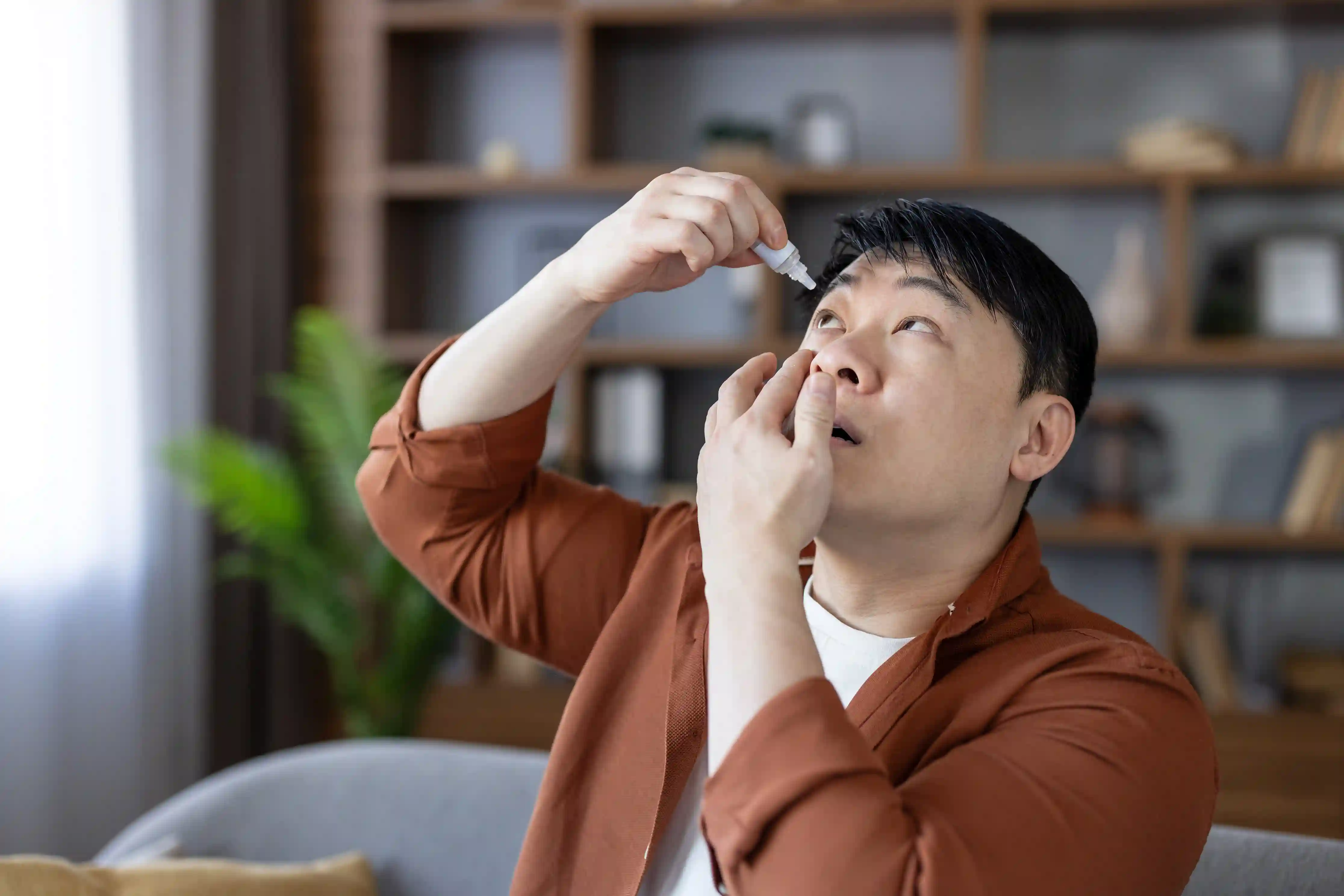
Using clean artificial tears can help rinse out allergens and calm irritation. For persistent cases, your eye doctor may recommend medicated drops to control pollen-eye allergies more effectively.
The Importance of Early Treatment
Ignoring pollen eye allergy can lead to ongoing discomfort throughout the season. Early treatment reduces inflammation and prevents symptoms from becoming severe.
If eyes watering from allergies continues for several days, or if redness becomes intense, it is important to seek professional advice. Proper care can reduce irritation and prevent secondary eye issues.
Because NYC residents experience variety in intensity, personalized treatment is often helpful. Some patients respond well to over-the-counter drops, while others require prescription options for pollen eye allergy relief.

Simple Daily Habits to Protect Your Eyes
Taking small steps daily can reduce pollen-eye allergy symptoms:
- Wear sunglasses outdoors to block pollen
- Avoid touching your eyes during the day
- Use a clean towel and pillowcase
- Keep indoor air filters clean
- Follow your doctor’s treatment plan
Sunglasses create a physical barrier that helps prevent pollen from entering your eyes. This is especially helpful during windy March afternoons when pollen levels peak.
Consistent habits can reduce eyes watering from allergies and make spring more comfortable.
When to See an Eye Doctor
While mild pollen eye allergy is common, persistent or severe symptoms should not be ignored. If you experience ongoing redness, constant eye watering from allergies, pain, and changes in vision.
Schedule a comprehensive eye exam. An eye doctor can confirm whether symptoms are caused by pollen eye allergies, or another condition.
Professional evaluation ensures proper treatment and protects long-term eye health.
Final Thoughts
Spring in New York is beautiful, but rising pollen levels can make it difficult for sensitive eyes. Pollen eye allergy is a leading cause of itchy, red eyes this time of year. Understanding how tree pollen affects your eyes allows you to take early action.
By managing exposure, addressing eyes watering from allergies quickly, and seeking care when needed, you can control pollen eye allergy symptoms effectively. Even though allergies are common in March for New Yorkers, they do not have to disrupt your comfort.
With the right prevention and timely treatment, you can enjoy the season with clear, healthy eyes.