
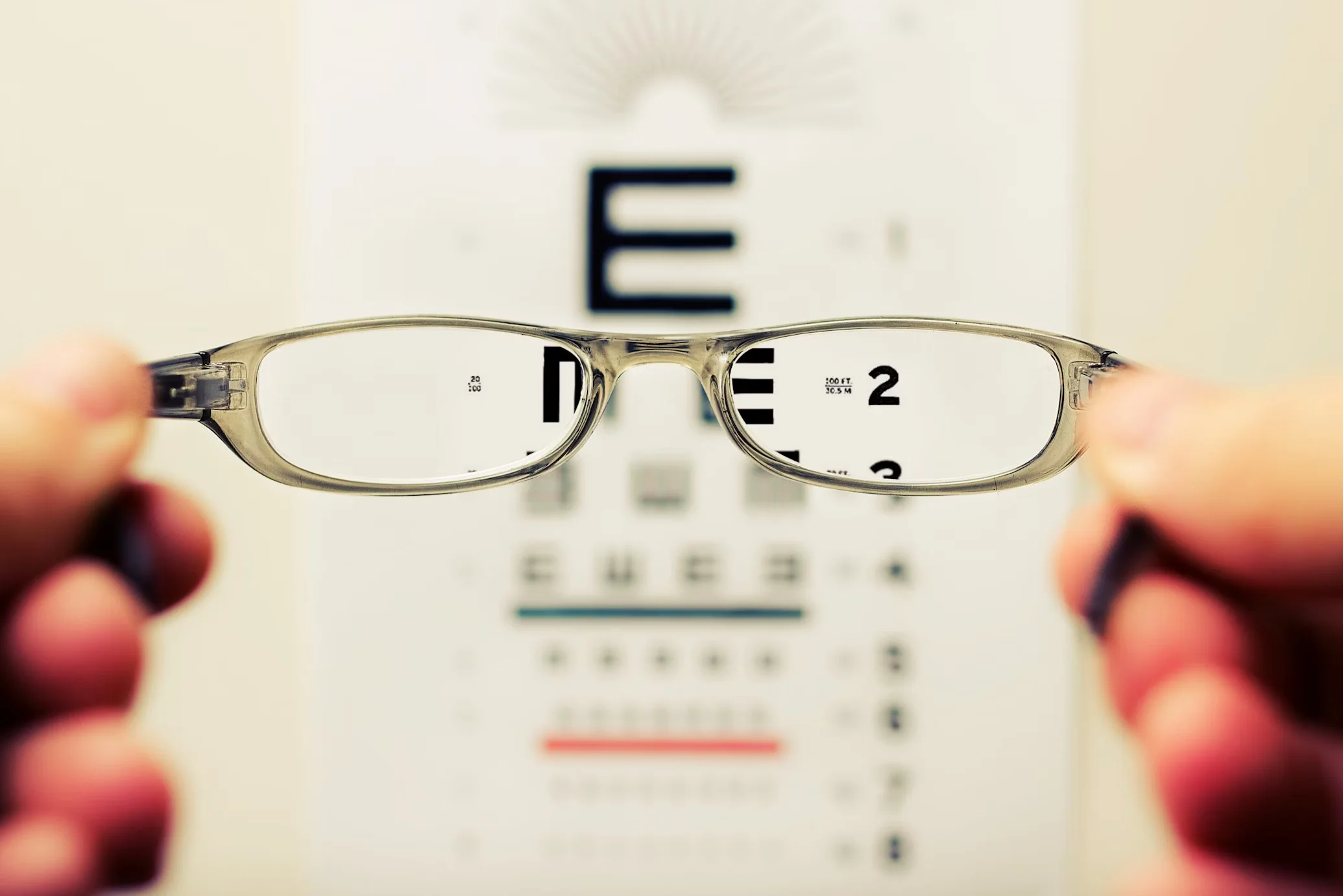
When people think of the health risks associated with smoking, heart disease or lung cancer usually come to mind first. But few realize that smoking and vision loss are also closely linked. Studies have shown that tobacco use can cause permanent eye damage, leading to blurred sight, cataracts, and even blindness.
The harmful chemicals in cigarette smoke affect nearly every organ in the body, including your eyes. Over time, this exposure increases the risk of smoking eye disease, weakens the blood vessels that supply the retina, and speeds up age-related conditions like smoking and macular degeneration.
At Elite Eye Care, we want to help you understand how your habits impact your eyesight and what you can do to protect it before the damage becomes irreversible.
How Smoking Affects Your Eyesight
The effects of smoking on eyes begin earlier than many people think. Cigarette smoke contains toxic substances such as nicotine, carbon monoxide, and formaldehyde, which reduce oxygen levels in the blood and damage delicate tissues in the eye.
This damage impairs circulation, causing inflammation and oxidative stress that harm the retina, lens, and optic nerve. Over time, the result is what specialists refer to as smoking eye damage, i.e. gradual deterioration of visual clarity that can lead to partial or complete vision loss.
Even exposure to secondhand smoke can have lasting consequences, especially for children and seniors.
Smoking and Macular Degeneration
One of the most serious connections between smoking and vision loss is its role in macular degeneration. The macula is the central part of the retina responsible for sharp, detailed vision. Smoking accelerates cellular damage in this area, resulting in smoking macular degeneration: a condition that makes it difficult to read, recognize faces, or see fine details.
Research shows that smokers are up to four times more likely to develop age-related macular degeneration (AMD) than non-smokers. The toxic chemicals in smoke reduce blood flow to the retina, causing oxygen deprivation and damaging retinal cells permanently.
Once smoking and macular degeneration are set in, there is no cure, but quitting smoking can significantly slow its progression and help preserve your remaining vision.
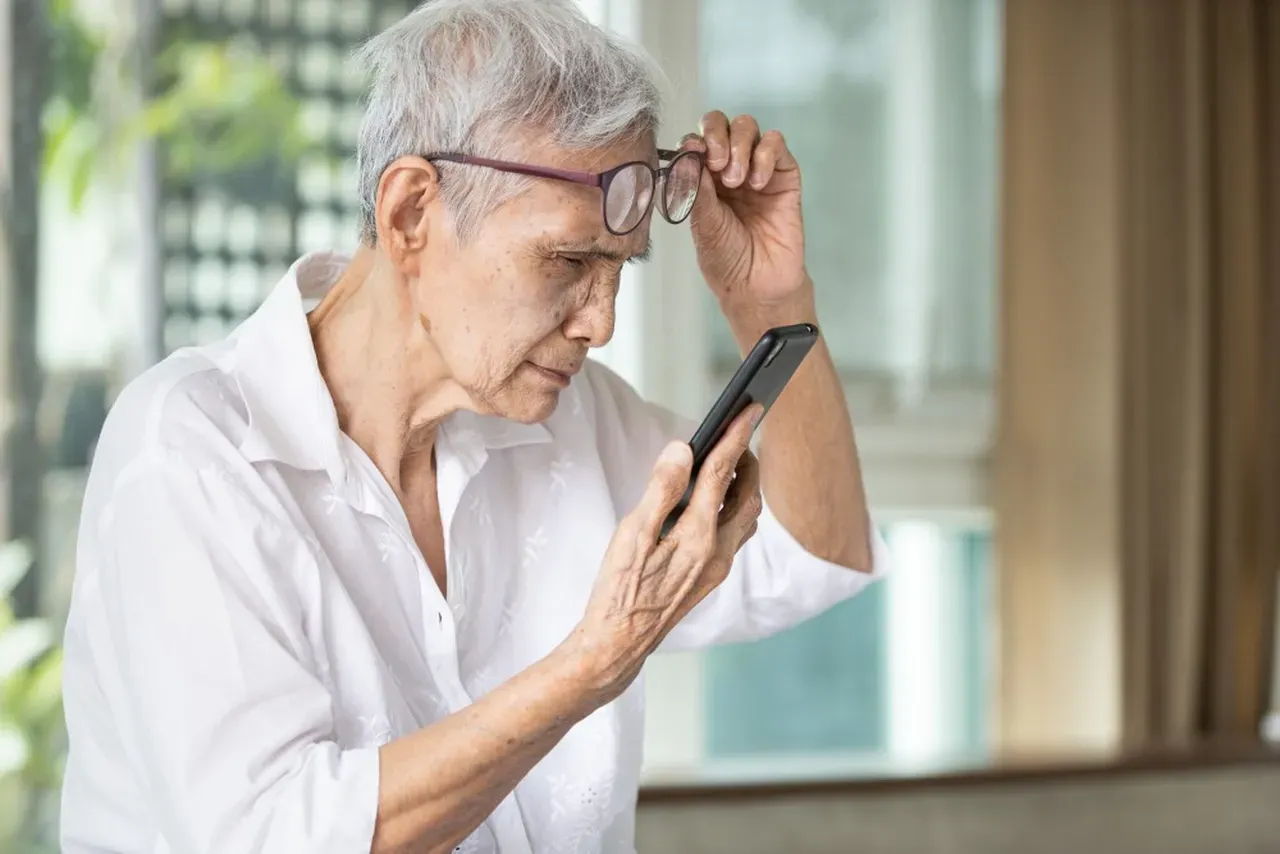
Smoking and Cataracts: Clouding Your Vision
Another major link between smoking and vision loss lies in the development of cataracts. Cataracts occur when the lens of the eye becomes cloudy, leading to blurred or dim vision. The toxins from tobacco accelerate this clouding process, which is why studies show smokers are twice as likely to develop smoking and cataracts compared to non-smokers.
Cataracts caused by smoking can make everyday activities like driving or reading more difficult. While surgery can restore vision in most cases, preventing this type of smoking eye disease through lifestyle changes remains the best approach.

The Hidden Dangers of Smoking Eye Disease
The term smoking eye disease covers several conditions triggered or worsened by tobacco use. These include macular degeneration, cataracts, uveitis (inflammation of the eye), and diabetic retinopathy.
Toxins from cigarette smoke cause oxidative stress, which destroys retinal cells and weakens the protective tear film. This leads to smoking and vision loss symptoms such as dryness, irritation, redness, and light sensitivity. Over time, this constant inflammation increases the risk of smoking and vision loss if left untreated.
Even if you do not currently experience symptoms, continued smoking increases your susceptibility to vision problems later in life.

Early Warning Signs of Smoking Eye Damage
Recognizing the signs of smoking eye damage early can help prevent severe vision loss. Watch for:
- Blurry or distorted central vision
- Faded colors or dark spots
- Increased sensitivity to light
- Frequent changes in prescription lenses
- Persistent dryness or redness
If you notice these symptoms, it’s important to schedule an eye exam right away. Regular checkups are crucial for detecting smoking and macular degeneration or smoking eye disease before irreversible harm occurs.

Can Vision Recover After Quitting Smoking?
The good news is that quitting smoking can have a positive impact on your vision and overall eye health. While existing smoking eye damage may not be fully reversible, stopping tobacco use slows further deterioration and improves blood flow to the eyes.
After quitting, oxygen levels in the blood normalize, reducing inflammation and the risk of smoking macular degeneration and smoking and cataracts. The earlier you stop, the better your chances of preserving clear sight and preventing smoking and vision loss.
At Elite Eye Care, our specialists help patients monitor their progress and detect early signs of recovery after quitting.
How to Protect Your Eyes from Smoking-Related Damage
Recognizing the signs of smoking eye damage early can help prevent severe vision loss. Watch for:
- Quit smoking as soon as possible to stop further damage.
- Schedule regular eye exams to monitor changes in vision.
- Maintain a healthy diet rich in antioxidants like vitamins C and E.
- Wear UV-protective sunglasses to reduce strain on the retina.
- Avoid secondhand smoke, especially in enclosed spaces.
Taking these steps not only protects against smoking eyes but also improves your overall eye and cardiovascular health.

When to See an Eye Doctor
If you experience persistent eye pain, blurred vision, or fading colors, it may be time to see an eye specialist. Knowing when to see an eye doctor can make the difference between recovery and permanent damage.
At Elite Eye Care, our experts are trained to detect early signs of smoking and vision loss and offer personalized guidance to preserve your sight.
Conclusion
The link between smoking and vision loss is stronger than most people realize. From smoking and macular degeneration to smoking and cataracts, tobacco damages vital structures in the eyes that support clear, healthy vision.
Quitting smoking is one of the most effective ways to protect your eyesight and prevent future smoking eye diseases. Whether you are already experiencing symptoms or want to protect your vision long-term, the right care can make all the difference.
At Elite Eye Care, we’re committed to helping you take charge of your eye health and reduce the risks associated with smoking. Schedule an exam today and take the first step toward a clearer, healthier vision.
Frequently Asked Questions
1. How does smoking cause vision loss?
Smoking damages blood vessels and retinal cells, leading to smoking eye disease and increasing the risk of smoking and vision loss.
2. Can quitting smoking improve eyesight?
Yes. While existing smoking eye damage may not fully heal, quitting reduces further harm and lowers the risk of smoking macular degeneration.
3. What are common smoking-related eye diseases?
Smoking and cataracts, macular degeneration, and uveitis are common conditions linked to long-term tobacco use.
4. Can smoking lead to blindness?
Yes. Severe smoking eye disease and blindness can occur when the retina and optic nerve are permanently damaged by toxins.