
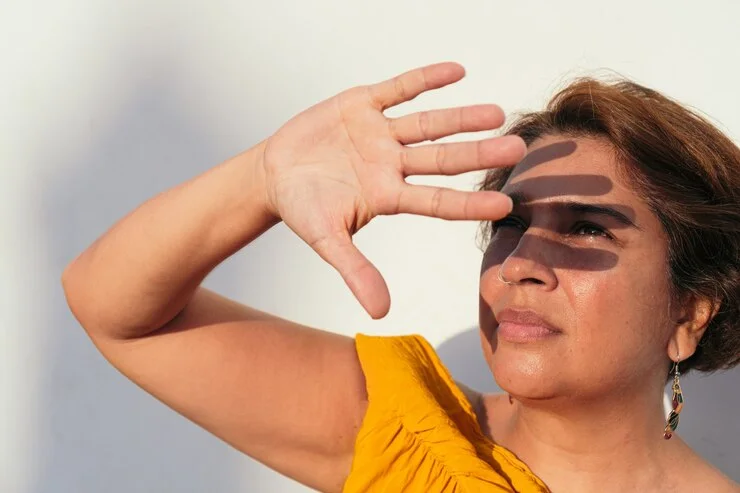
If bright lights suddenly feel unbearable, you are not imagining it. Sudden sensitivity to light is a common eye complaint that can disrupt daily life, making it uncomfortable to step outside, drive, or even look at a screen. While occasional discomfort is normal, increased or persistent light sensitivity may signal an underlying eye or health condition that needs attention.
Understanding why your eyes react this way is the first step toward relief and long-term eye protection.
What Is Light Sensitivity
Light sensitivity, also known as photophobia, occurs when the eyes have difficulty tolerating normal light levels. People experiencing this may find themselves squinting, shielding their eyes, or avoiding bright environments altogether. Many describe symptoms like glare sensitivity, eye strain, or discomfort when exposed to sunlight, headlights, or indoor lighting.
If you find yourself thinking, “why are my eyes so sensitive to light,” it may be time to explore possible causes rather than brushing it off as a minor irritation.
Common Causes of Sudden Sensitivity to Light
There are many reasons why eyes become very sensitive to light. Some causes are temporary, while others require medical evaluation.
Eye conditions such as dry eye disease, corneal irritation, or inflammation can lead to increased light sensitivity. When the surface of the eye is compromised, light entering the eye can cause discomfort or pain.
Sudden sensitivity to light may also be linked to eye infections, migraines, or sinus pressure. Neurological conditions and head injuries can sometimes cause eye sensitivity to light and pain as well.
If you are wondering what causes sensitivity to light, it often comes down to how well the eye and brain process incoming light signals. When that process is disrupted, discomfort follows.
Light Sensitivity and Eye Pain
In some cases, light sensitivity is accompanied by pain or pressure. Eye sensitivity to light and pain can indicate conditions such as uveitis, corneal damage, or increased eye pressure. These symptoms should never be ignored, especially if they appear suddenly or worsen quickly.
People who say “my eyes are extremely sensitive to light” often experience additional symptoms like redness, blurred vision, headaches, or excessive tearing. These signs suggest that professional evaluation is necessary.
Digital Screens and Glare Sensitivity
Modern lifestyles contribute heavily to glare sensitivity. Prolonged screen time, exposure to blue light, and reduced blinking can strain the eyes and worsen light sensitivity. Bright screens and artificial lighting force the eyes to work harder, increasing discomfort.
If you notice that your eyes are very sensitive to light after long hours at work or on devices, screen-related eye strain may be playing a role. Adjusting screen brightness, taking breaks, and using proper lighting can help reduce symptoms.

Treatment for Light Sensitivity
Effective treatment for light sensitivity depends on the underlying cause. For dry eye related discomfort, lubricating eye drops are often recommended. Many patients ask about the best eye drops for light sensitivity, which typically include preservative-free artificial tears designed to soothe irritation.
Other treatment for light sensitivity may include prescription eye drops, protective eyewear, or managing associated conditions like migraines or inflammation. In some cases, tinted lenses or anti-glare coatings can significantly improve comfort.
If a light sensitivity condition is caused by infection or injury, targeted medical treatment is essential for proper healing.
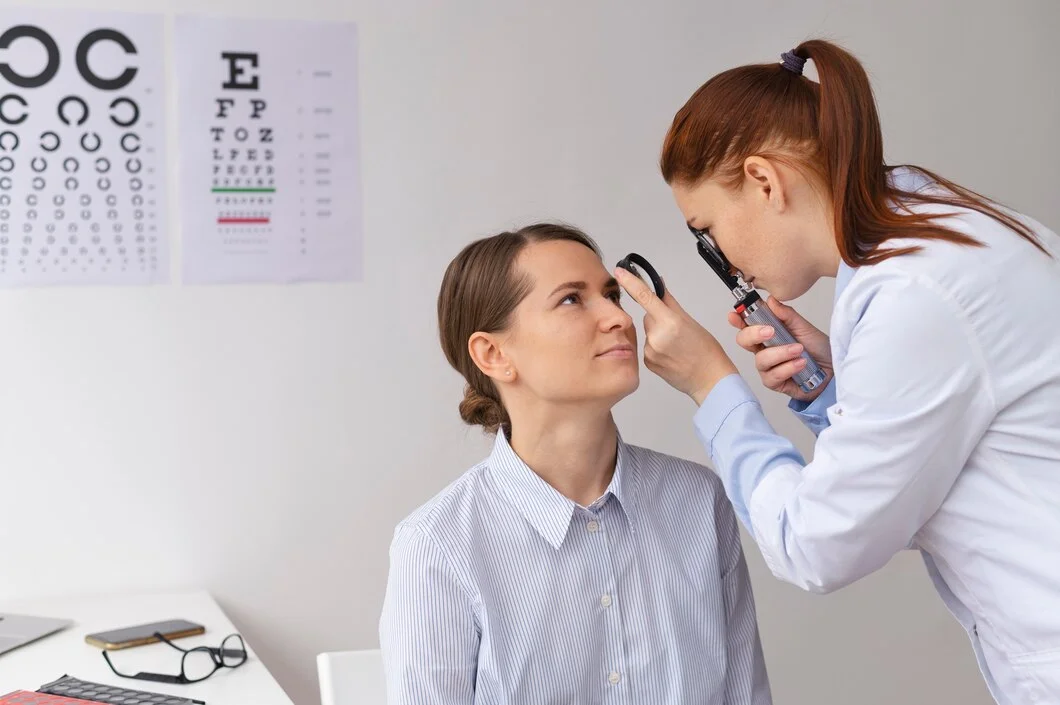
Preventing Increased Light Sensitivity
While not all cases are preventable, there are steps you can take to reduce the risk of increased light sensitivity. Wearing UV-protective sunglasses outdoors helps shield the eyes from harsh sunlight. Indoors, adjusting lighting and minimizing glare can reduce strain.
Maintaining good eye hygiene, staying hydrated, and limiting screen exposure all contribute to healthier eyes. Regular eye exams are especially important, as early detection of issues can prevent symptoms from worsening.
For those who frequently experience sudden sensitivity to light, prevention often lies in addressing small habits before they become larger problems.
When to See an Eye Doctor
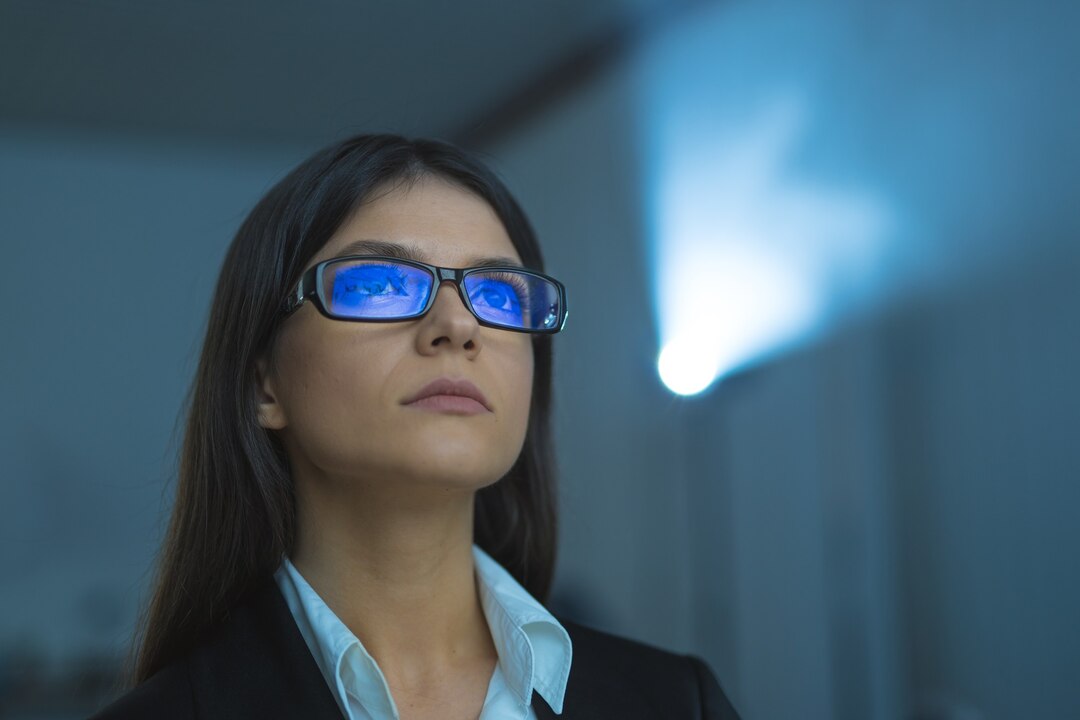
Occasional discomfort in bright light is normal. However, if you are experiencing sudden sensitivity to light that interferes with daily activities, or if symptoms are accompanied by pain, vision changes, or redness, it is important to seek professional care.
Persistent symptoms may indicate a deeper issue that requires medical attention. Early diagnosis allows for faster treatment and better outcomes.
Final Thoughts
Light sensitivity is more than a minor annoyance. When symptoms appear suddenly or intensify, they deserve attention. Sudden sensitivity to light can stem from a variety of causes, ranging from dry eyes to more serious conditions affecting eye health.
Understanding the triggers, recognizing warning signs, and seeking timely treatment can help protect your vision and restore comfort. With the right care and preventive steps, light sensitivity does not have to control your daily life.