

Why vision test is essential for Holiday season and Winter Driving Safety
Winter roads bring more than just traffic and travel plans. Shorter days, low light conditions, glare from snow, rain, and increased night driving all put extra strain on your eyes. During the holiday season, when people spend more time on the road, clear vision becomes essential for safety. This is where a regular vision test plays a critical role in keeping drivers safe and confident behind the wheel.
Many drivers assume their eyesight is fine because they can read signs or navigate familiar routes. However, subtle vision changes often go unnoticed until they start affecting reaction time, depth perception, or night driving vision. Winter driving safety begins with understanding how your eyes perform under challenging conditions.
How Winter Conditions Affect Driving Vision
Cold weather introduces visual challenges that are not present during other seasons. Reduced daylight means more driving in the early morning or evening hours, while fog, snow, and rain reduce contrast and visibility. Headlight glare becomes more intense during winter nights, making it harder to focus on the road ahead.
Driving vision is not just about seeing clearly in ideal conditions. It is about how well your eyes adjust to low light, sudden brightness, and fast-moving surroundings. Without proper vision safety, even experienced drivers can struggle during winter weather.
A routine vision test helps identify issues such as reduced contrast sensitivity or difficulty adapting to darkness. These problems can directly affect holiday driving safety, especially during long trips or unfamiliar routes.
Why a Vision Test Is Essential Before Winter Travel
Many vision issues develop gradually. You may not notice changes until they interfere with daily activities like reading road signs or spotting pedestrians. A comprehensive vision test checks more than just clarity. It evaluates how well your eyes work together, how you perceive depth, and how quickly you respond to visual cues.
Winter driving safety relies heavily on these abilities. Slower reaction times or poor peripheral vision can increase the risk of accidents, particularly in slippery or low visibility conditions. An eye checkup ensures that corrective lenses are up to date and suitable for driving, especially at night.
If you experience frequent eye strain, headaches, or difficulty focusing after long drives, it may be a sign that your vision needs attention. Addressing these issues early supports better eye health and safer driving throughout the season.
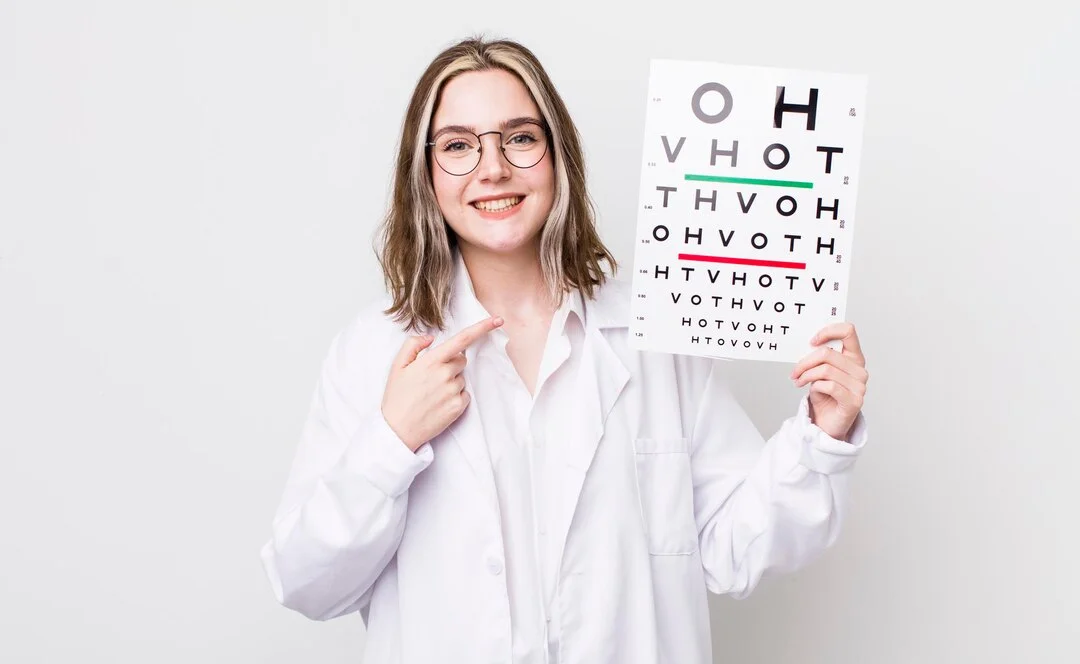
Night Driving Vision and Holiday Risks
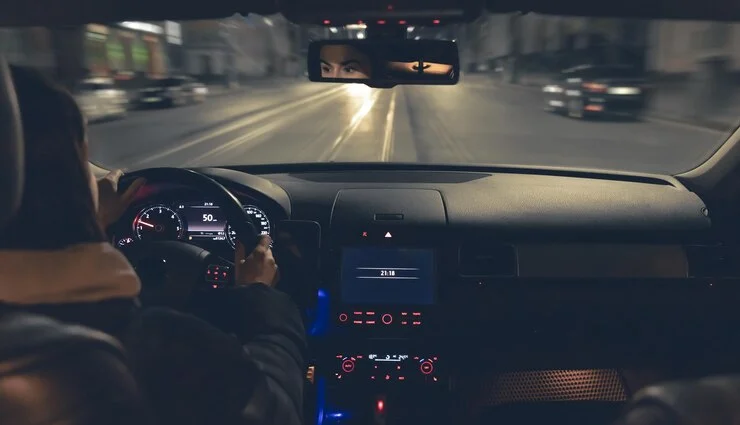
Night driving vision becomes especially important during winter when darkness sets in earlier. Glare from headlights, reflections from wet roads, and reduced contrast can make it harder to judge distances accurately. These challenges are amplified during the holidays when traffic volume increases.
A proper vision test can reveal problems like uncorrected astigmatism or early cataract changes that affect night vision. Correcting these issues improves vision safety and helps drivers feel more confident behind the wheel.
Holiday driving safety is not just about avoiding distractions or following traffic rules. It is also about ensuring your eyes are prepared for demanding conditions.
The Role of Eye Health in Road Safety
Good eye health supports faster reaction times and better awareness on the road. Conditions such as dry eyes, which are common during winter due to indoor heating, can cause blurry vision and discomfort while driving. Regular eye checkups help manage these issues before they interfere with driving performance.
Winter eye care often includes recommendations like proper hydration, protective eyewear, and lens adjustments to reduce glare. These steps may seem small, but they play a significant role in road safety vision.
When your eyes are comfortable and well cared for, you are more likely to stay focused and alert during long drives or heavy traffic.
When to Schedule an Eye Checkup
If you plan to travel during the holidays or notice changes in your driving vision, scheduling an eye checkup before winter is a smart move. Signs that you may need a vision test include difficulty seeing road signs, trouble focusing at night, increased glare sensitivity, or eye fatigue after driving.
Even if you do not notice symptoms, routine exams are recommended to maintain eye health and ensure your vision meets safe driving standards. Early detection of vision issues can prevent bigger problems down the road.
Protecting Vision Safety All Winter Long
Vision safety is a year round priority, but it becomes especially important during winter and holiday travel. A comprehensive vision test helps ensure your eyes are prepared for low light, harsh weather, and increased driving demands.
By staying proactive with eye exams, practicing winter eye care, and addressing vision changes early, drivers can reduce risks and enjoy safer journeys. Clear vision supports better decision making, quicker reactions, and greater confidence on the road.
As winter approaches, taking care of your eyes is one of the simplest and most effective steps you can take to protect yourself and others. Holiday driving safety starts with seeing clearly, and that begins with a reliable vision test.