
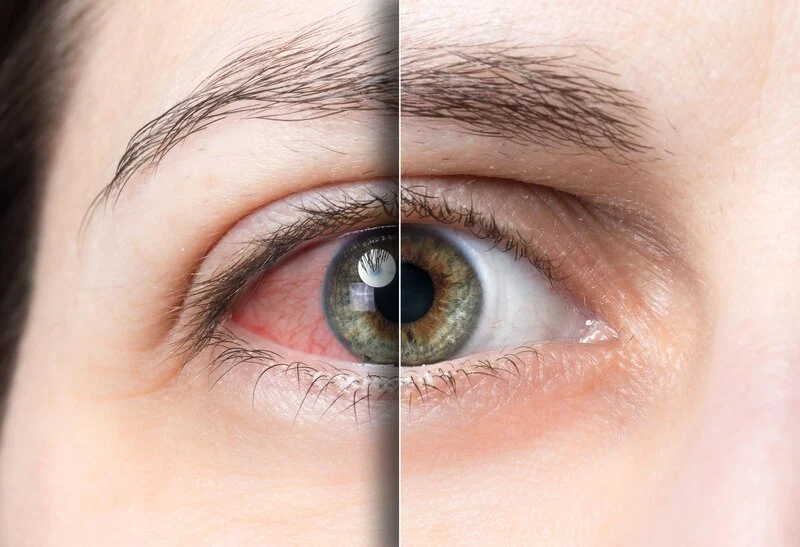
If your eyes start tearing uncontrollably every time you step outside during the winter months, you are not alone. Watery eyes cold weather symptoms are surprisingly common and affect people of all ages. While many expect winter to bring dryness and irritation, the opposite can happen for some: instead of dryness, the eyes begin to overflow with tears. This excessive tearing can be frustrating, especially when it blurs vision, interrupts daily tasks or makes outdoor activities uncomfortable.
Understanding the hidden reasons behind watery eyes cold weather responses helps you manage symptoms effectively and find real relief. Winter tearing is not random. It is a natural defense mechanism, but sometimes it signals underlying irritation or medical conditions that need attention.
Why Cold Weather Triggers Excessive Tearing
When temperatures drop, humidity levels fall dramatically. Indoor heating systems make the air even drier. The result is faster tear evaporation, which triggers inflammation and irritation. People who have allergies, contact lens users, and those with a history of chronic dry eye are often hit the hardest.
A Protective Response
When temperatures drop, the cold air evaporates moisture from the surface of the eye very quickly. The tear glands respond by overproducing tears to bring back lubrication. That is why many people experience eyes watering cold conditions as soon as they step outside. It is the body’s attempt to maintain comfort
Wind Sensitivity
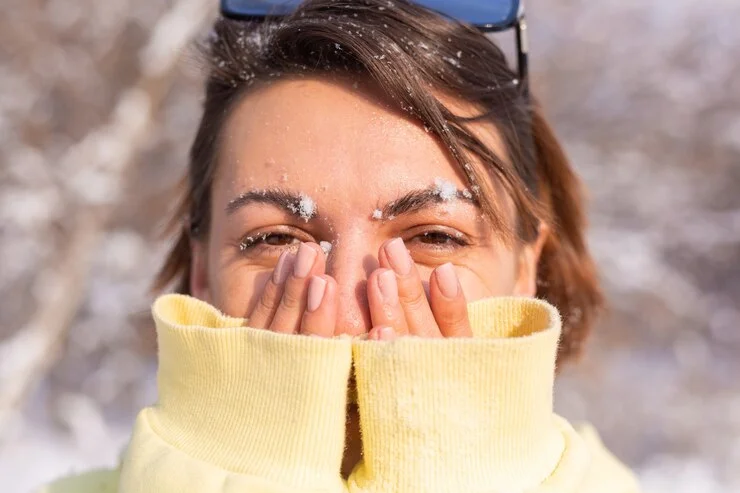
Winter wind is harsh. Cold gusts inflame the surface of the eyes, causing irritation. The eyes respond by flooding with tears to wash away discomfort. If you have ever wondered why does cold air make my eyes water, it is simply the body trying to protect the cornea from dryness and injury.
Dry Indoor Air
Heating systems inside homes and offices remove natural moisture from the air. This causes irritation and dryness. When you go outside again, your eyes shift rapidly from dry heat to freezing wind, which can trigger excessive tearing.
Underlying Eye Conditions
Sometimes watery eyes cold weather symptoms reveal more than a seasonal annoyance. Conditions like dry eye disease, blepharitis, allergies, blocked tear ducts or infection can worsen tearing in winter. Contact lens users often struggle more because the lenses reduce natural tear distribution.
Common Symptoms That Come With Winter Tearing
- Constant tearing or dripping tears outdoors
- Blurry vision from tear buildup
- Burning or stinging sensation
- Redness and irritation
- Sensitivity to light or wind
- The urge to frequently wipe or rub eyes
These symptoms are similar to those seen in excessive tearing from chronic dry eye or tear duct problems. If wiping tears becomes a daily habit, you may need more than seasonal adjustment.
How to Stop Eyes from Watering in Cold Weather
There are proven ways to manage watery eyes cold weather irritation and restore comfort outdoors.
Protect Your Eyes from Wind
Wraparound sunglasses or moisture-blocking glasses shield the eyes from cold gusts. Wind protection alone can effectively stop eyes from watering for many people.
Use Artificial Tears
Lubricating drops can calm surface irritation and prevent reflex tearing. They moisturize the tear film so the body does not need to overproduce tears.
Improve Indoor Air Quality
Humidifiers add moisture to indoor environments and reduce the dryness that triggers eyes watering cold reactions when moving outside.

Warm Compresses
Warm compresses improve oil production in the eyelids, which stabilizes tears and stops irritation that leads to excessive tearing.
Reduce Screen Time
Frequent blinking is one of the best solutions for how to stop eyes from watering caused by digital strain. Screens reduce blinking by almost half, which leads to dryness and tearing.
Avoid Rubbing Your Eyes
Rubbing causes inflammation and worsens irritation, which increases tearing.
Talk to an Eye Doctor
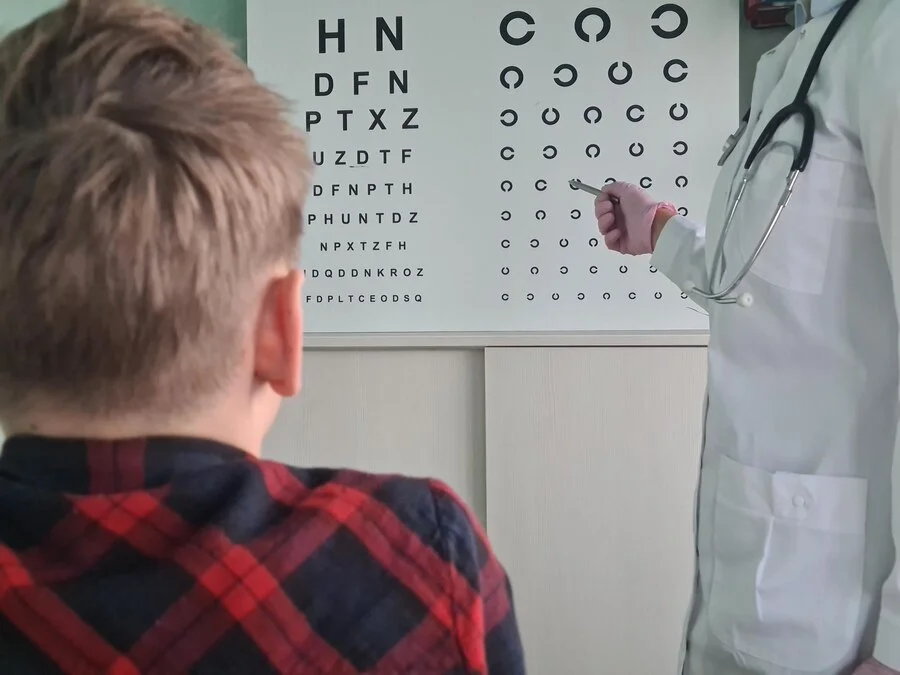
If symptoms persist even after prevention, it may signal blocked tear ducts or medical dry eye disease. Professional evaluation can identify the cause and recommend targeted treatment.
When Winter Tearing Means a Bigger Problem
If watery eyes cold weather irritation comes with pain, discharge, swelling or vision problems, it is no longer just a winter response. Common underlying causes include:
- Tear duct obstruction
- Chronic dry eye disease
- Conjunctivitis or allergies
- Blepharitis
- Corneal surface issues
Severe or persistent tearing can affect driving, reading, and outdoor activities. Getting help early prevents long term damage and discomfort.

Conclusion
Watery eyes cold weather tearing may seem like a small seasonal annoyance, but it can affect comfort and daily life. Understanding the causes behind eyes watering cold symptoms and using smart prevention strategies allows you to protect your eyes through winter. From sunglasses and lubricating drops to humidifiers and warm compresses, small changes can dramatically reduce irritation and stop eyes from watering.
If excessive tearing is interfering with your routine or lasting beyond winter, schedule an eye evaluation. Finding the right solution early can restore comfort and help you enjoy the season with clear, comfortable vision.