
Cataracts Explained: Early Signs You Should Not Ignore
Understanding cataracts and symptoms is important for protecting your long-term vision. Cataracts develop slowly and may not cause noticeable problems at first. Over time, they can affect how clearly you see and make daily activities more difficult.
In the early stages, these changes can feel minor and easy to ignore. You may adjust to small shifts in clarity without realizing your vision is gradually changing. Over time, these subtle signs can begin to affect reading, driving, or even recognizing faces clearly.
At Elite Eye Care, we help patients across NYC recognize early cataracts and symptoms so they can take timely steps to maintain clear and comfortable vision.

What Are Cataracts
Cataracts occur when the natural lens of the eye becomes cloudy. This cloud affects how light passes through the eye, leading to vision changes. Recognizing cataracts and symptoms early makes it easier to manage these changes and protect eye health.
Many people ask what causes cataract eye disease. Common causes include:
-
Natural aging
-
Long-term exposure to sunlight
-
Certain health conditions
-
Eye strain over time
While cataracts are common, understanding them helps you respond early and avoid discomfort.
What Is the First Sign of Cataracts
One of the most common questions is what the first sign of cataracts is. In many cases, the earliest change is slightly blurred or dim in vision.
You may notice:
-
Difficulty seeing clearly at night
-
Increased sensitivity to light
-
Faded or less vibrant colors
-
Mild cloudy vision
These early symptoms can be easy to miss, which is why regular checkups are important.

Common Cataracts and Symptoms to Watch For
As cataracts develop, symptoms may become more noticeable. Understanding these changes helps answer the question, how do I know if I have cataracts?
 Persistent cloudy vision
- Glare
from lights
- Frequent need to update glasses
- Foggy
vision in one eye
- Difficulty reading or focusing
Recognizing these early allows you to take preventive steps and maintain comfort.
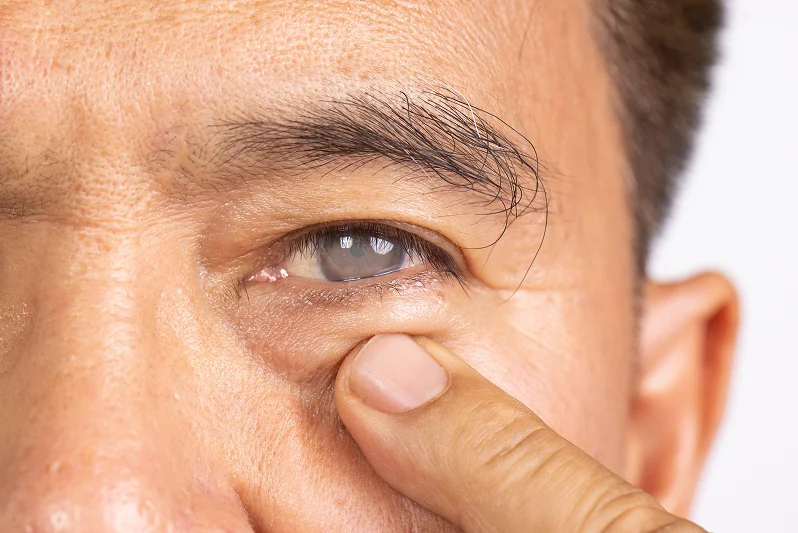
What Do Cataract Eyes Look Like
Some patients wonder, what do cataract eyes look like.In many cases, there are no visible changes in the early stages. As cataracts progress, the pupil may appear cloudy or dull instead of clear. However, visual changes are often noticed before physical appearance changes. This is why understanding cataracts and symptomsis more important than relying on appearance alone.
How Cataracts Affect Daily Life
Even mild cataracts and symptomscan impact daily activities. You may notice difficulty reading, driving at night, or adjusting to bright lights.
Common challenges include:
-
Trouble seeing clearly in low light
-
Increased glare from screens or headlights
-
Reduced clarity during daily tasks
These changes can develop gradually. Identifying cataracts and symptomsearly helps reduce disruption to your routine.

How to Prevent Cataracts
Many patients ask how to prevent cataractsWhile cataracts cannot always be avoided, certain habits can help slow down their development.
Preventive steps include:
-
Wearing sunglasses outdoors
-
Limiting prolonged screen exposure
-
Maintaining regular eye checkups
-
Following a balanced lifestyle
Staying consistent with preventive care helps reduce the impact of cataracts and symptomsover time.

When to Schedule an Eye Exam
If you notice any changes in your vision, it is important to act early. Many people search how do I know if I have cataracts,but a professional exam is the best way to confirm.
Signs that require attention include:
-
Ongoing cloudy vision
-
Difficulty seeing at night
-
Increased glare sensitivity
-
Blurred or dim vision
TA timely exam helps identify cataracts and symptomsand provides guidance for the next steps.

Cataracts and NYC Lifestyles
Living in New York City can increase exposure to factors that affect eye health. Bright lights, long screen hours, and environmental conditions can make cataracts more noticeable. At Elite Eye Care, we provide care tailored to NYC lifestyles. Regular monitoring of cataracts and symptomshelps patients maintain clear vision despite daily challenges.
Why Choose Elite Eye Care
When it comes to understanding cataracts and symptoms, experience, and clarity matter. At Elite Eye Care, we focus on early detection and patient education. We provide:
- Thorough eye evaluations
- Comfortable exam experience
- Clear
explanations of findings
- Ongoing preventive eye care
Each visit is designed to help you understand and take simple steps to protect your vision.

Medical Expertise and Review

Dr. Markiel Yakubov, OD
Licensed Optometrist, New York
Dr. Yakubov focuses on early detection and preventive eye care, helping patients manage cataracts and maintain long-term vision health.
We Can Help!
They include cloudy vision, light sensitivity, and difficulty seeing clearly at night.
If you notice blurry or foggy vision in one eye, it is best to schedule an eye exam for evaluation.
Common causes include aging, sun exposure, and changes in the natural lens of the eye.
While not always preventable, healthy habits and regular eye exams can help slow progression.