

Many people think cataracts only happen suddenly, but they usually grow slowly. Learning how to recognize cataracts early can help you protect your vision before symptoms become stronger. In a busy place like NYC, where bright lights, long work hours, and outdoor glare are common, understanding the slight changes in your eyes is important.
Early awareness and simple daily care can make a significant difference in staying comfortable and seeing clearly when dealing with cataracts early stage changes.
What Is the First Sign of Cataracts?
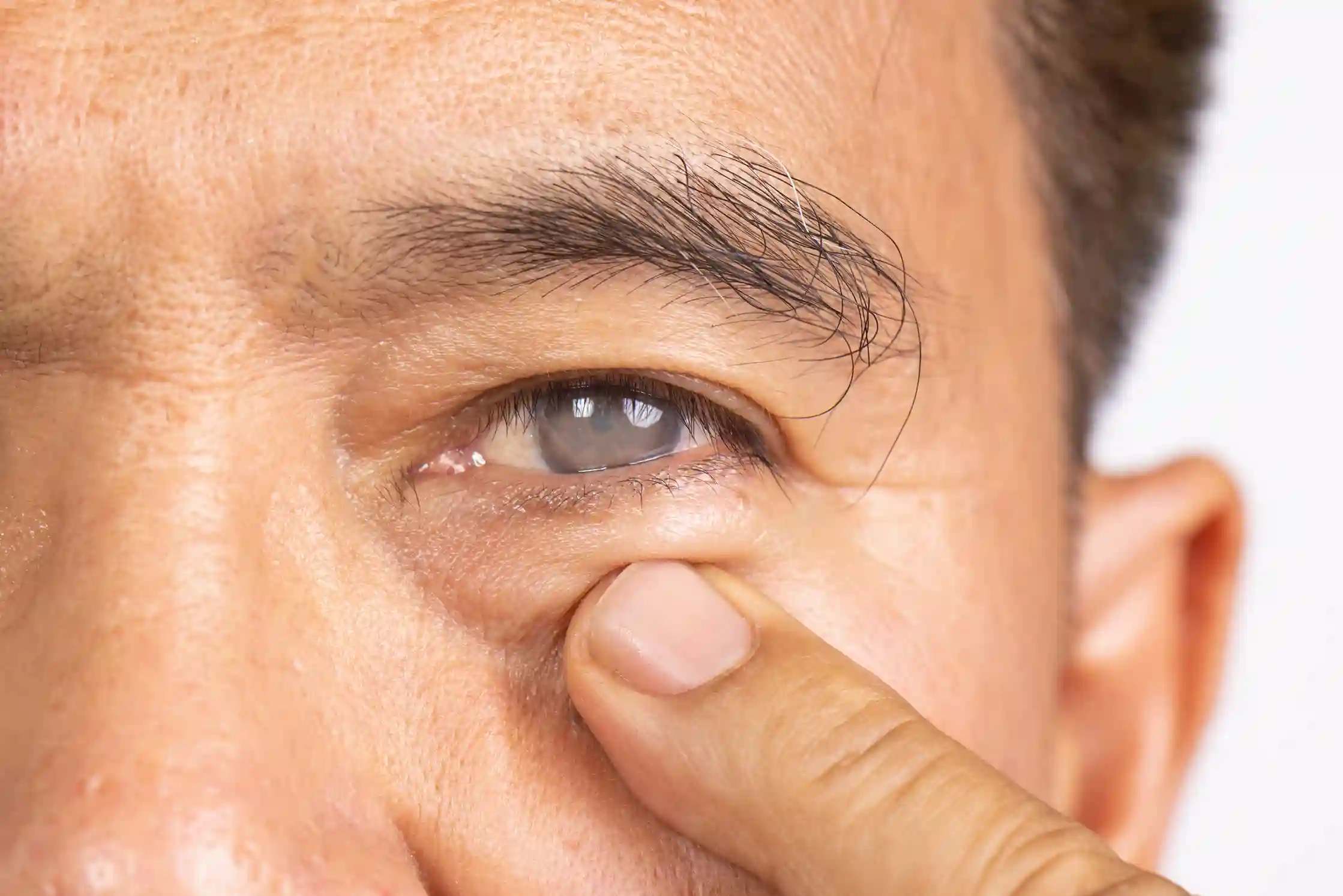
One of the most common early hints is the feeling of foggy eyes. You might notice that things look slightly hazy, even when your glasses are clean. This can happen when a cataract behind the eye begins to form, affecting how light enters your vision and signaling cataracts early stage development.
Another early sign is the sensitivity to bright lights. Car headlights, city streetlights, or sunlight may seem stronger than usual.
Knowing what is the first sign of cataract helps you catch changes early and schedule an exam at the right time, especially when you suspect cataracts early symptoms.
What Are the Symptoms of Cataracts in the Early Stage?
The symptoms in the beginning are often subtle, but paying attention to them can help you understand if something is changing. Common symptoms include:
- Cloudy eyes or a slight milkiness in the lens
- Foggy eyes that come and go during the day
- Light glare that feels stronger than usual
- Trouble seeing well at night
- Colors looking faded or yellowish
- Needing brighter light to read
- Feeling like your glasses are always “not strong enough”
"What are the symptoms of cataracts when they first start?" is a common question. In actuality, they frequently start out slowly. You may ignore them first because the changes can be slow. But early signs should be checked to protect your eyes long-term, especially if these signs match cataracts early stage indicators.
Cataracts in Elderly New Yorkers
Cataracts in elderly people are common, especially after 60. But early changes can happen even sooner depending on lifestyle and health factors. In NYC, sunlight reflecting off buildings, long screen hours, and air quality may make early symptoms easier to notice and help reveal cataracts early stage patterns.
Watching for cataracts early stage signs supports comfort, mobility, and overall safety.
Why Cloudy Eyes Should Not Be Ignored
Cloudy eyes can be one of the clearest early signs. When the lens loses clarity, it becomes harder for light to travel smoothly. This causes the familiar “film over the eyes" sensation.
Some think it is dryness or tiredness, but if the cloudy feeling keeps returning, it should be checked with a full exam. Spotting cataracts early stage signs help prevent the discomfort from growing.
Can You Prevent Cataracts?
While you cannot fully stop natural aging, you can support healthier eyes with simple habits. Many ask how to prevent or avoid cataracts as they age. The good news is that small lifestyle choices matter, especially when trying to slow cataracts early stage progression.
Healthy steps for cataract prevention include:
- Wearing sunglasses that block UV rays
- Eating foods rich in vitamins A, C, and E
- Avoiding smoking
- Managing health conditions like diabetes
- Keeping screen breaks during long work hours
- Using proper lighting when reading
These habits support clear vision and may slow early changes. Understanding how to prevent cataracts is not about major medical steps. It is about steady, everyday care that helps control risks.
NYC Factors That Make Symptoms More Noticeable
New York City can make cataracts early stage symptoms appear more intense. Bright outdoor glare, reflective buildings, and nighttime city lights can highlight fogginess or light sensitivity.
Long commutes, high screen time, and strong seasonal sunlight may also increase discomfort.
This makes regular checkups and awareness important for anyone living in NYC, especially if you notice cataracts early stage changes.
When to See an Eye Doctor
While early cataract signs may be mild at first, it’s important to see a doctor if you notice:
- Cloudy eyes that keep returning
- Foggy eyes in the morning or evening
- Glare that makes night driving difficult
- Changes in how colors look
- Needing stronger light for everyday tasks
Even if your symptoms are small, checking them early keeps your eye health protected. Recognizing cataracts early stage signs help prevent worsening discomfort throughout the year.
How an Eye Exam Helps
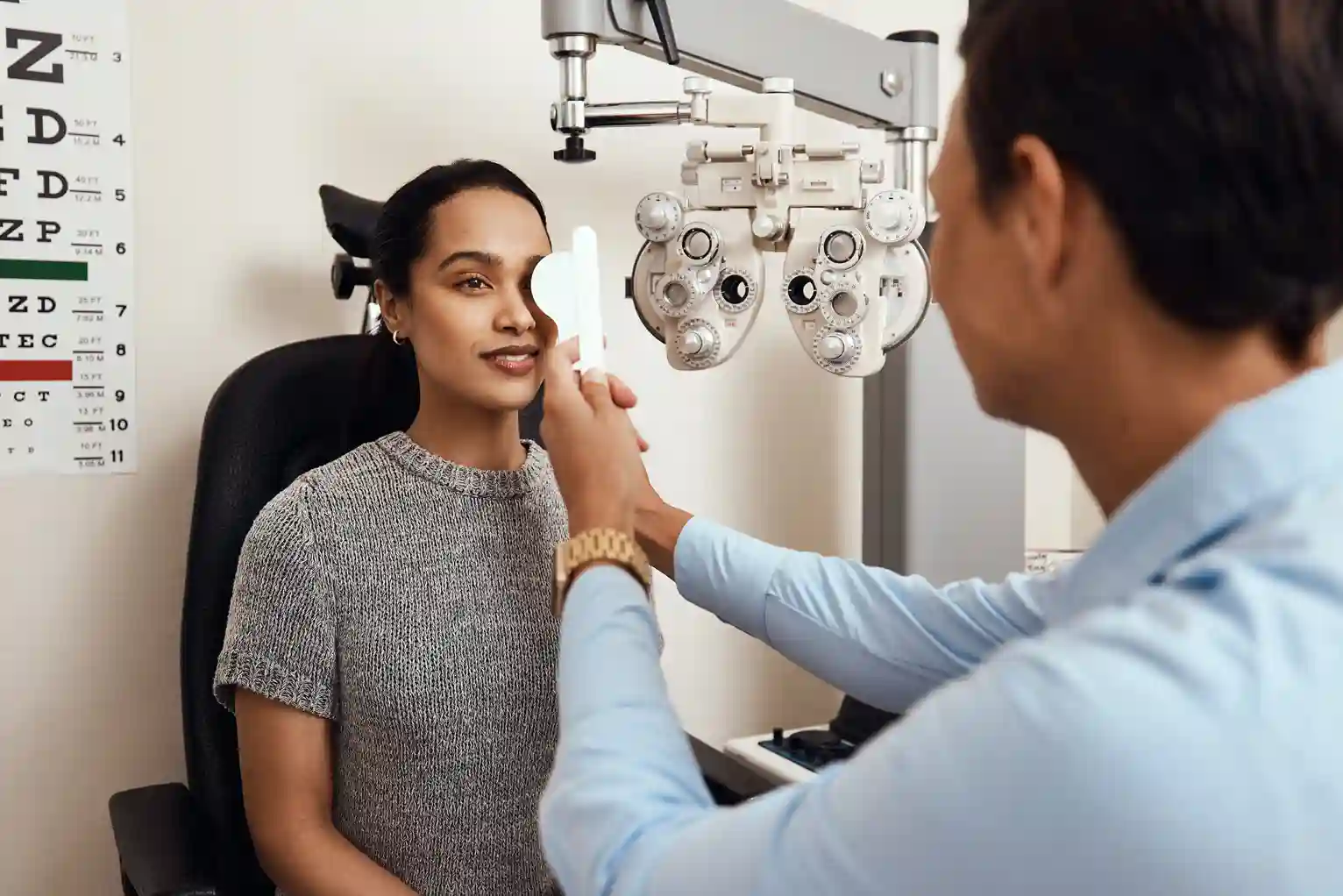
A simple comprehensive eye exam can confirm whether early cloudiness is linked to aging or something else. Your doctor will check the clarity of the lens, light reflection, and overall eye health.
The goal is not surgery but awareness. When you understand the cataracts early stage period, you can take better care of your eyes with light protection, steady hydration, and regular exams.
Final Thoughts
Catching cataracts early stage signs help you stay ahead of discomfort and protect your vision as you age. Cloudy eyes, foggy vision, and light sensitivity are small clues worth noticing. With simple daily habits and yearly checkups, you can support strong, clear vision for years to come while managing cataracts early stage changes.