
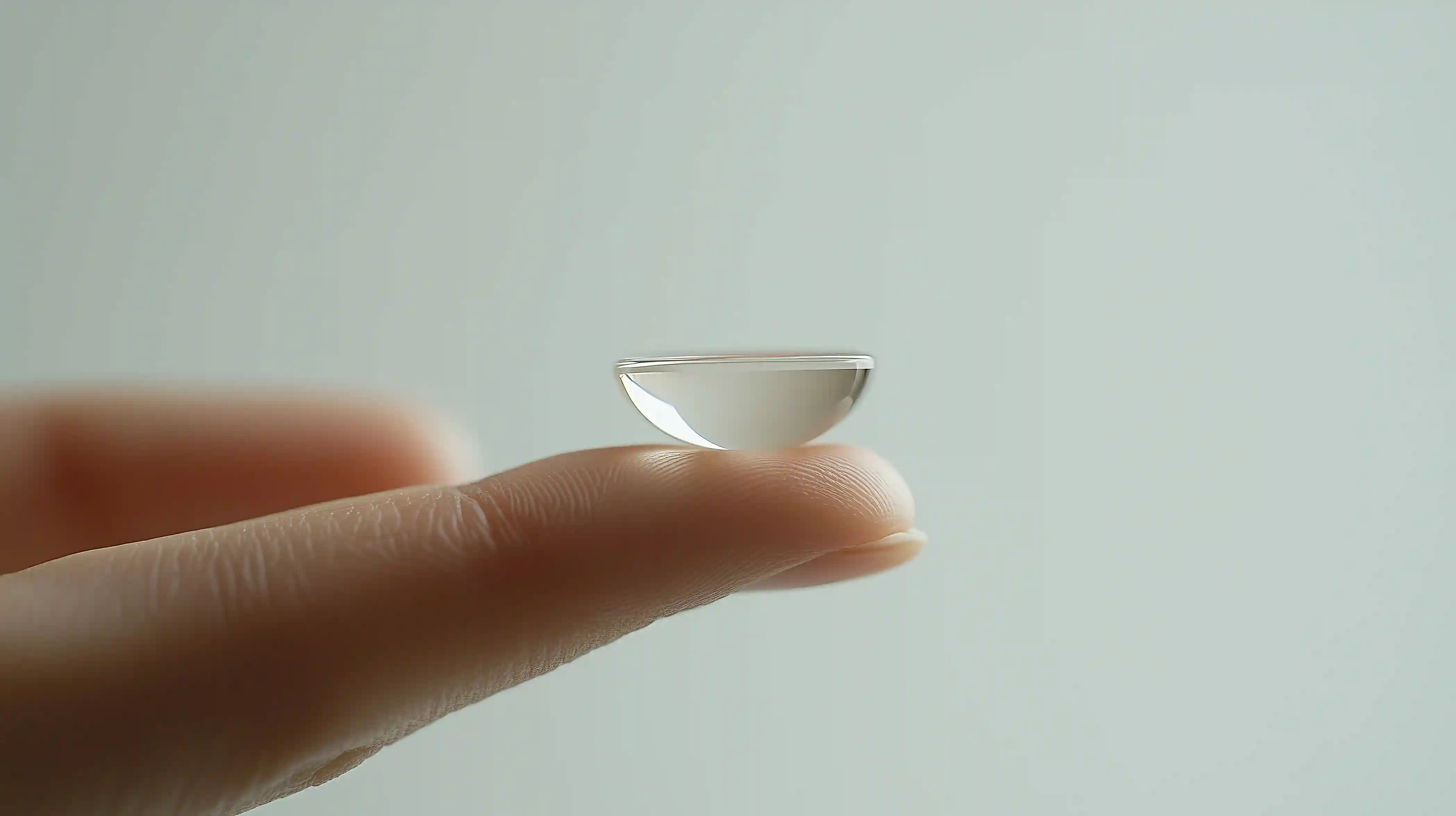
Contact lens safety is an important part of keeping your eyes healthy. Many New Yorkers use contacts every day for comfort and convenience, but small mistakes can lead to irritation, redness, or even infections. The good news is that most problems can be prevented with simple habits. Understanding proper contact lens safety helps protect your eyes and keeps your vision clear.
Why Contact Lens Safety Matters
Why Contact Lens Safety Matters
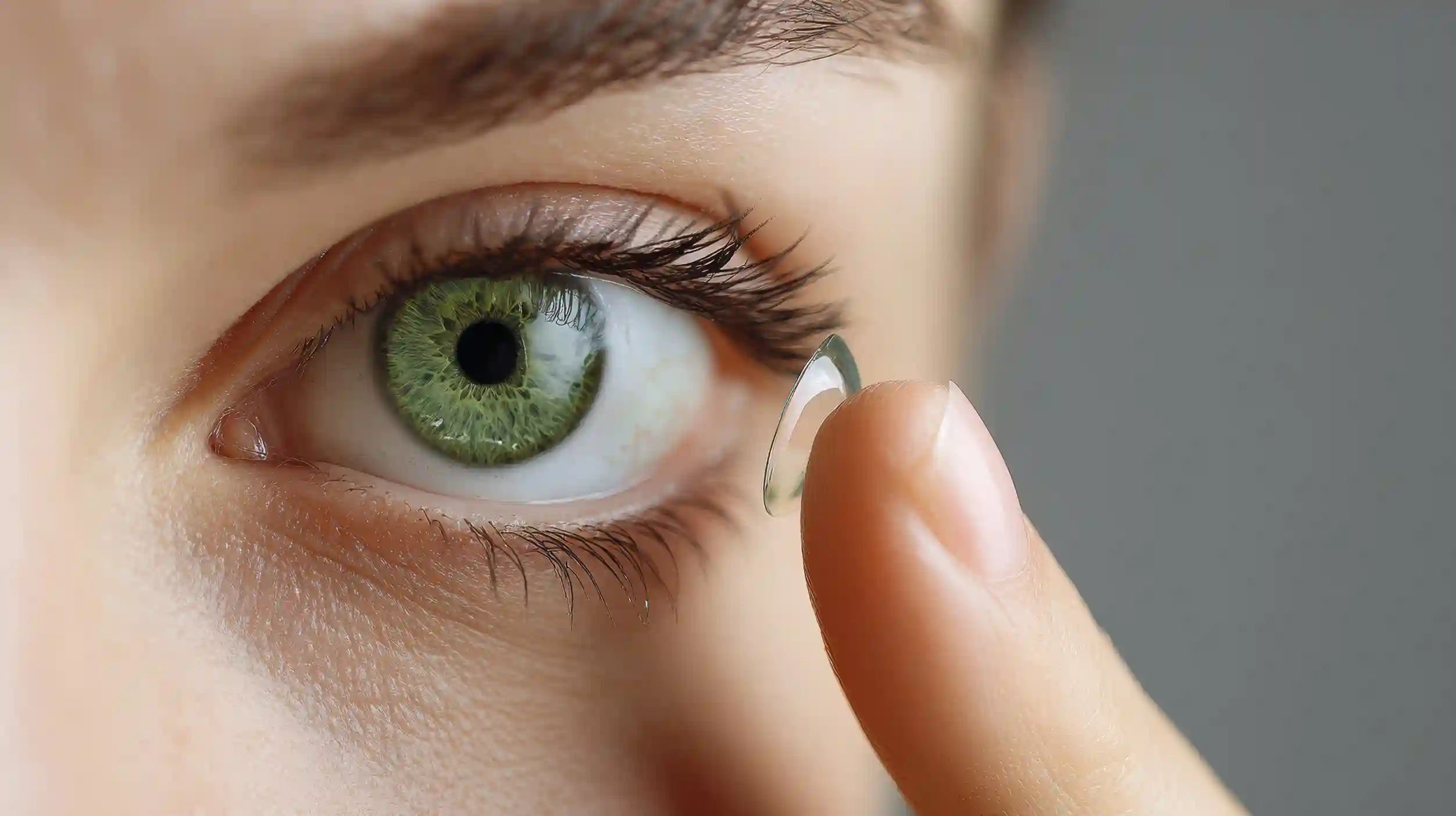
Your eyes are sensitive, and contact lenses sit directly on the surface. Poor contact lens hygiene or careless routines can increase the risk of irritation. When contacts are not stored or cleaned properly, bacteria in contact lenses can grow quickly. This makes the eyes more likely to react with redness, discomfort, or infection. Contact lens safety is non-negotiable when it comes to keeping your eyes safe.
Even experienced contact lens users sometimes forget basic steps. Reviewing contact lens safety each year helps avoid problems before they start.
Mistake 1: Not Cleaning Lenses the Right Way
Cleaning your lenses the right way is one of the most important steps in contact lens safety. Rinsing lenses with water is unsafe, because tap water may have tiny organisms that can lead to eye infections from contacts. Using the proper cleaning solution every time is key.
Learning how to clean contact lenses correctly protects your eyes. Gently rubbing the lens with clean fingers and storing it in a fresh solution helps remove buildup and keeps your lenses safe to wear.
Mistake 2: Sleeping in Contact Lenses
Sleeping in contact lenses is one of the most common mistakes. Even short naps increase the risk of irritation. When your eyes are closed for long periods, the lenses restrict oxygen and create a warm, moist space where bacteria can grow. This increases the chance of contact lens infections.
Removing lenses before bed is a simple but important part of contact lens safety.
Mistake 3: Stretching Lenses Beyond Their Time
Many people try to stretch their lenses longer than they are recommended. This includes wearing expired contact lenses or overwearing contacts for several extra days. Old lenses can trap more dirt and may not stay smooth, which can irritate your eyes.
Always follow your replacement schedule. Whether your lenses are daily, bi-weekly, or monthly, changing them on time protects your eyes and supports good contact lens hygiene.
Mistake 4: Using Old or Dirty Contact Lens Cases
Contact lens safety is not only about the lenses. The case matters, too. A lens case that has not been cleaned or replaced regularly can collect bacteria. These germs can transfer to your lenses and increase the risk of eye infections from contacts.
Wash your case with solution, not water, and let it air dry. Replace the case every few months to keep it clean.
Mistake 5: Wearing Contacts When Your Eyes Feel Irritated
If you notice redness, dryness, or discomfort, wearing lenses can make the problem worse. Taking a break from contacts gives your eyes time to recover. Wearing lenses while your eyes are already irritated can increase the chance of infection or injury.
Switch to glasses for a day or two if your eyes feel uncomfortable. This simple step supports long-term contact lens safety.
Mistake 6: Not Washing Hands Before Handling Lenses
Contact lens safety is usually at a huge risk when cleanliness isn’t followed, so before touching your lenses, wash your hands carefully with soap and water. Hands pick up germs throughout the day and touching your lenses without washing transfers these germs to your eyes. Contact lens hygiene starts with clean hands every time.
Dry your hands with a lint-free towel before inserting or removing your contacts.
Mistake 7: Swimming or Showering with Lenses On
Water from pools, lakes, and showers may have bacteria that can attach to your lenses. This increases the risk of contact lens infections. Removing lenses before swimming or showering is an easy habit that greatly improves contact lens safety.
If you must wear lenses in water, talk to your eye doctor about safe options.
Mistake 8: Ignoring Proper Storage Instructions
Clean lens contacts stay safe only when they are stored correctly. Always use a fresh solution, never top off an old solution, and keep your case clean. Proper storage helps prevent the growth of bacteria in contact lenses.
If your lenses have been sitting in old solution for days, clean them again before wearing them.
Simple Contact Lens Care Tips for Everyday Safety
To support comfortable and safe lens use, follow these basic contact lens care tips:
- Wash and dry your hands before touching lenses
- Use only approved cleaning solutions
- Replace lenses on schedule
- Keep your case clean
- Remove lenses if your eyes feel irritated
- Never share lenses with anyone
- Avoid sleeping in contact lenses
Building these habits helps keep your vision clear and reduces the risk of eye infections from contacts.
When to See an Eye Doctor
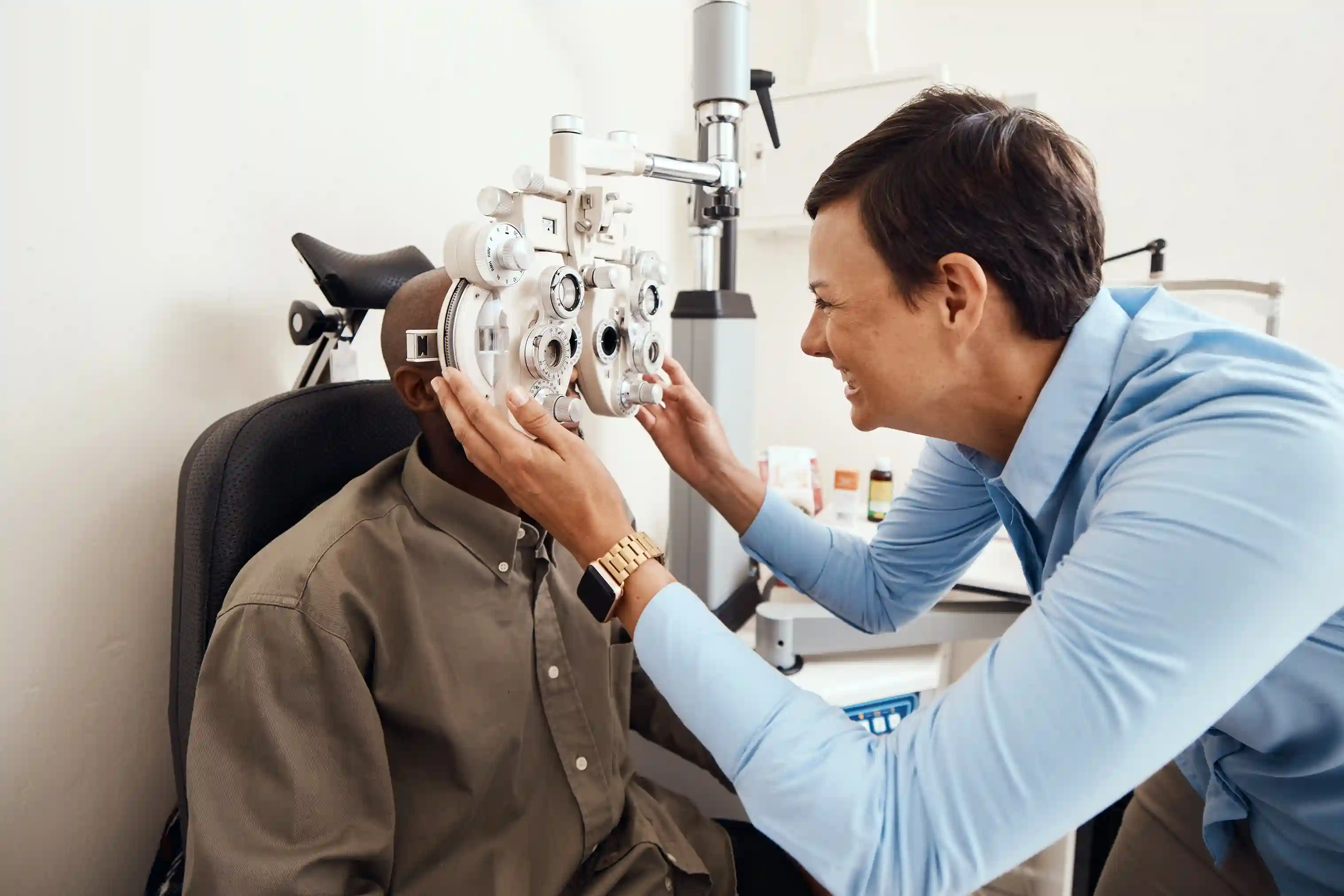
If you notice redness, increased dryness, pain, sensitivity to light, or blurry vision that does not improve, take out your contacts and schedule an exam. Early care helps prevent small issues from becoming serious problems. So, contact lens safety or safety must be followed carefully.
Final Thoughts
Good contact lens safety protects your eyes every day. By cleaning your lenses properly, avoiding sleeping in contact lenses, replacing them on time, and following simple contact lens hygiene steps, you can prevent irritation and reduce the risk of eye infections from contacts. With the right habits, your contacts will stay comfortable, and your eyes will stay healthy.